The Spine · the lead
080BPM
What Is Left of a Cumbia When You Take Twelve BPM Off It
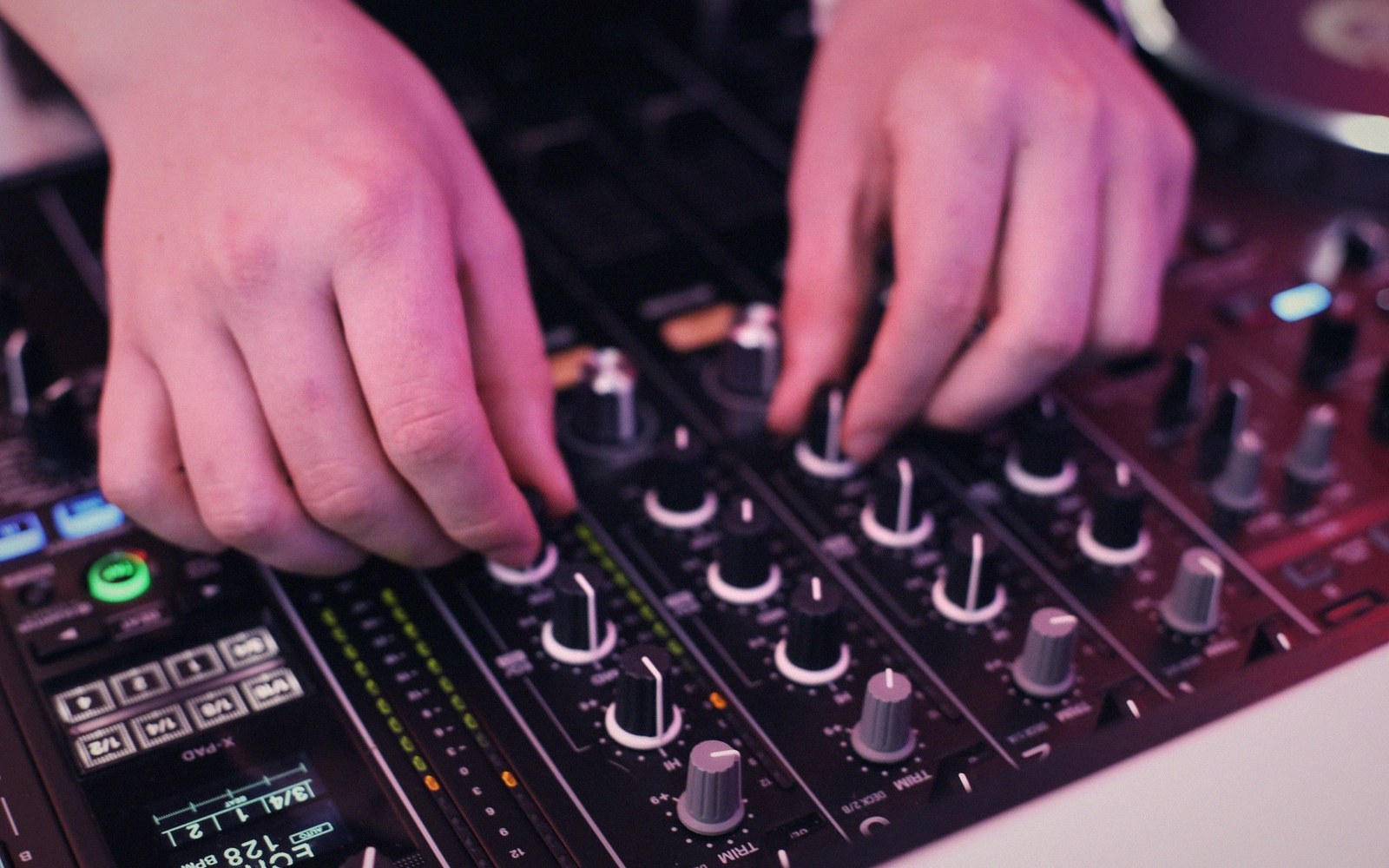
Slow a cumbia digital track by twelve BPM and you have not made a slower version of the same thing — you have made a different object.
Slow a cumbia digital track by twelve BPM and you have not made a slower version of the same thing — you have made a different object.
Twenty-two more pieces, filed slowest to fastest. The number on the left is the tempo the piece sits at — not a genre, not a city.
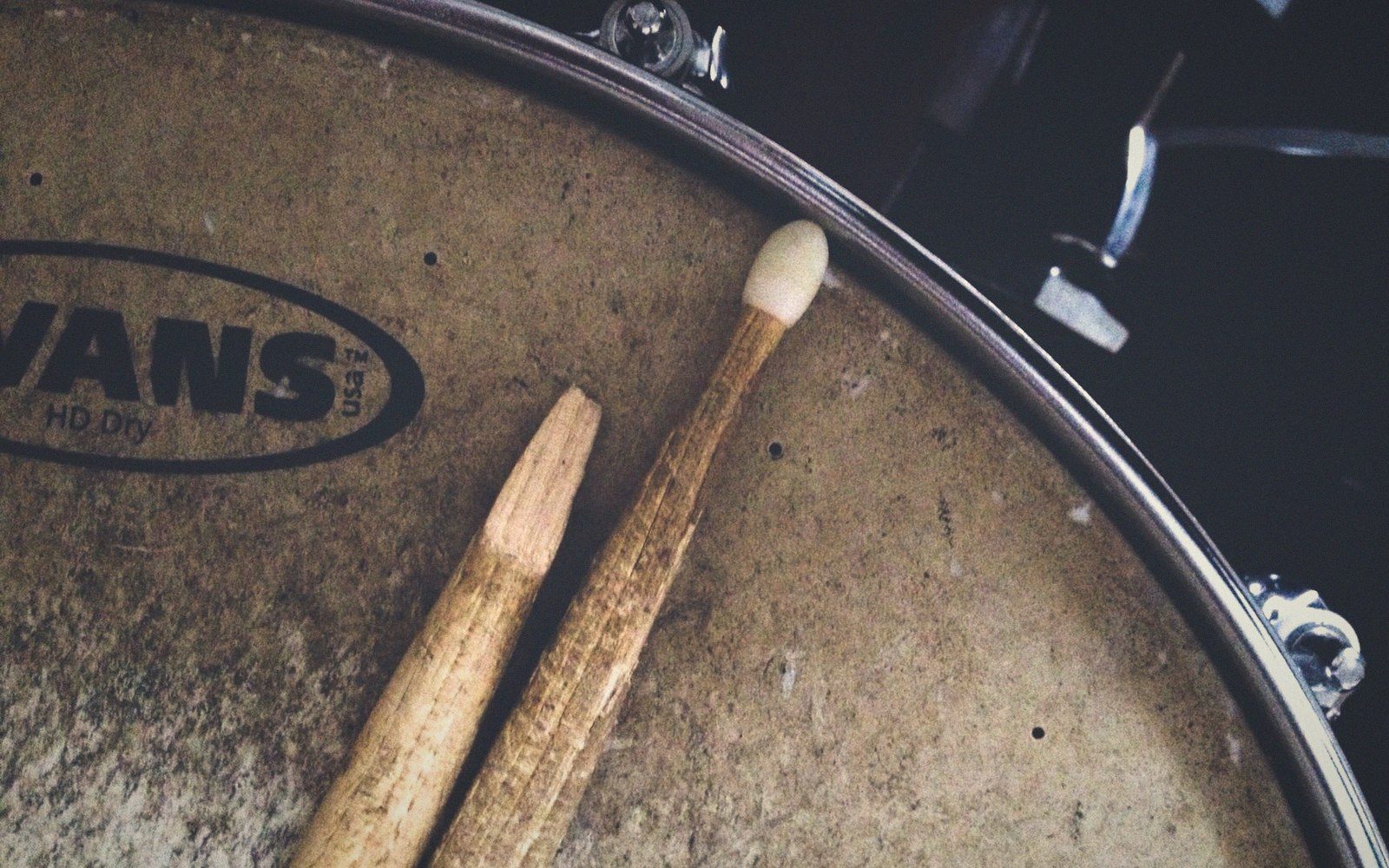
The groove functions as the shared rhythmic reference point across Latin American electronic music — not because it is universal, but because it is everywhere.
The bass arrived before anyone knew where it had come from.
The small independents across Argentina, Colombia and Chile that built the cumbia digital catalogue — and what it cost to do it without infrastructure.
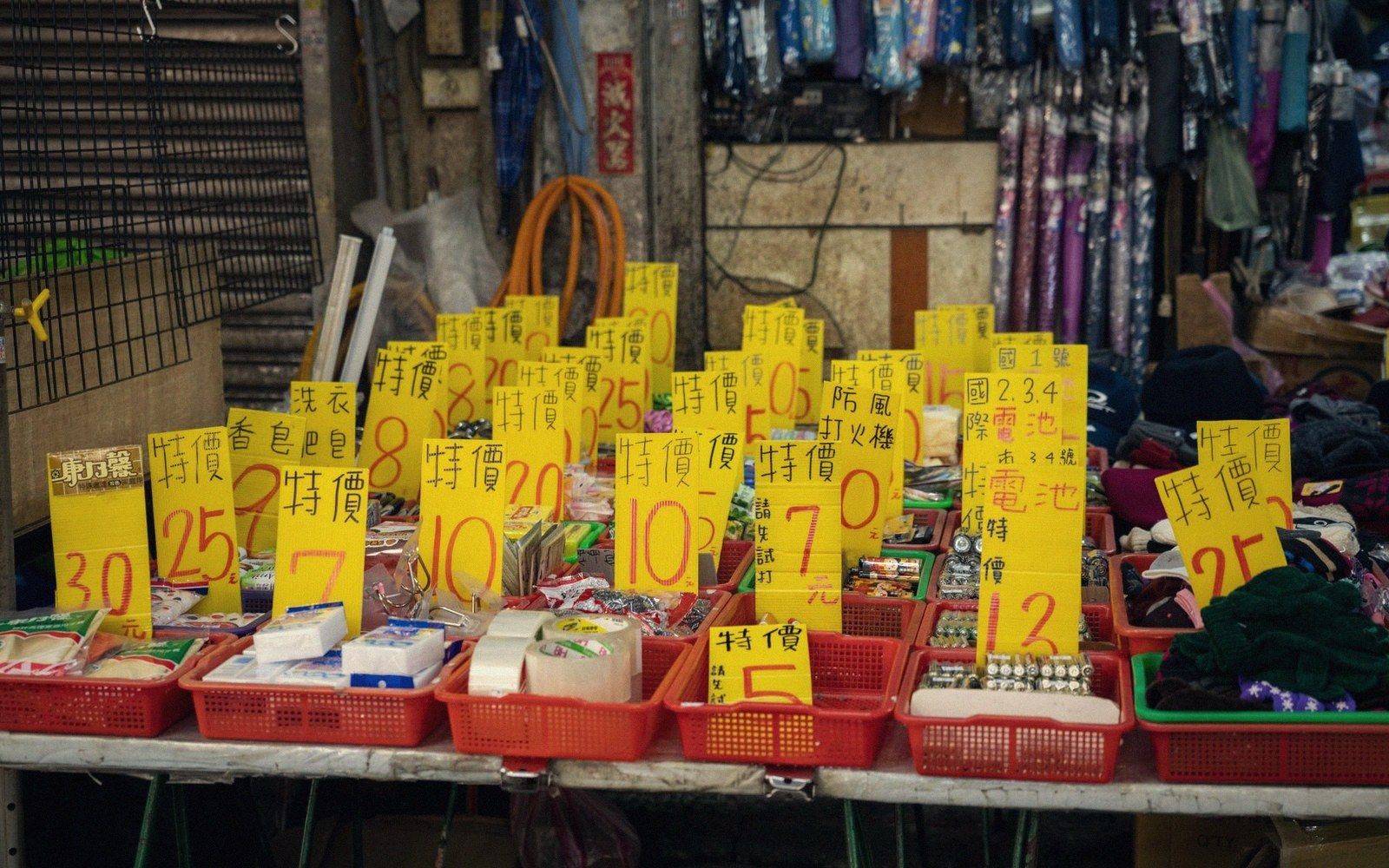
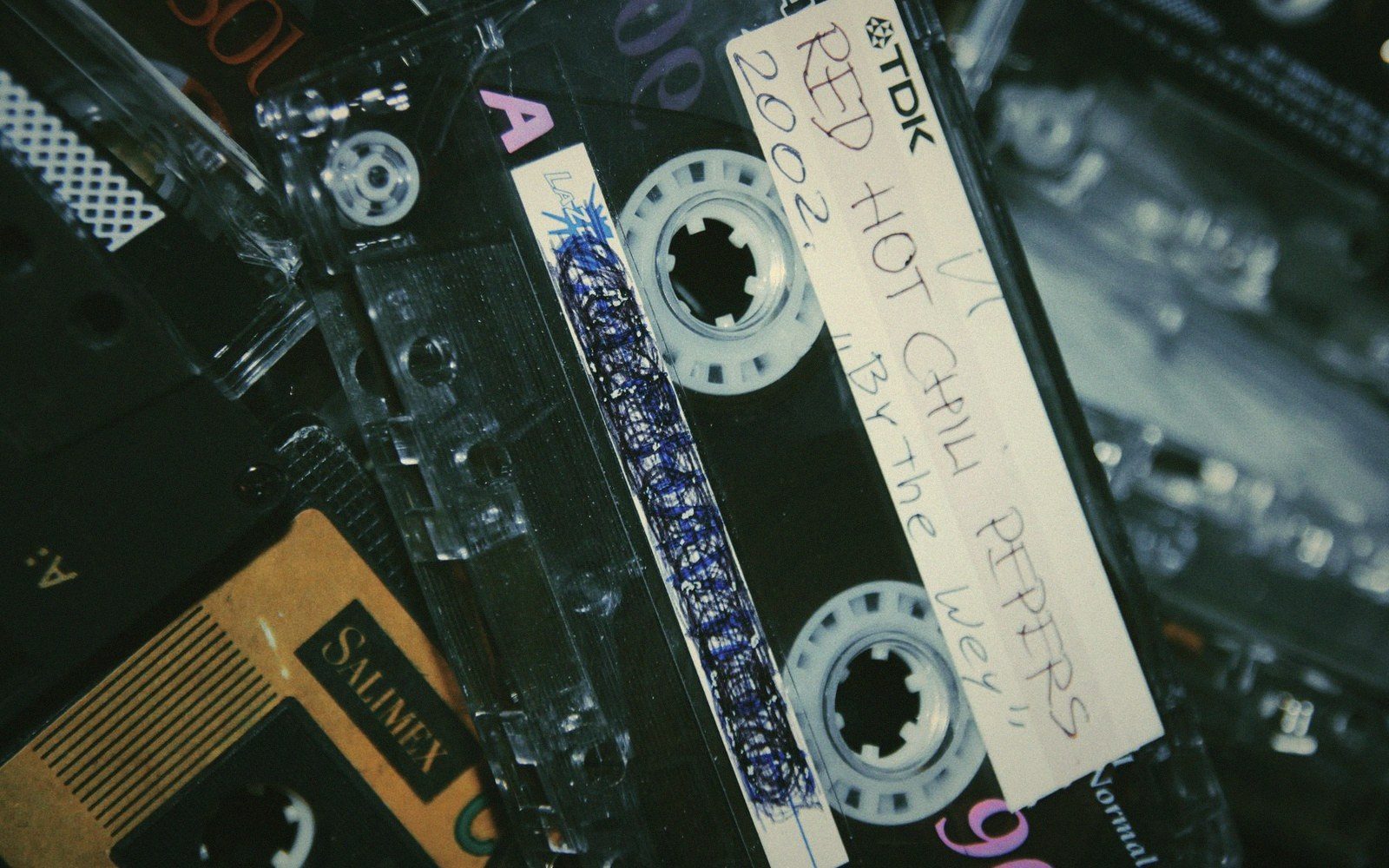
In a lot of the world, cassette is retro. In parts of Latin America, it never stopped being Tuesday.
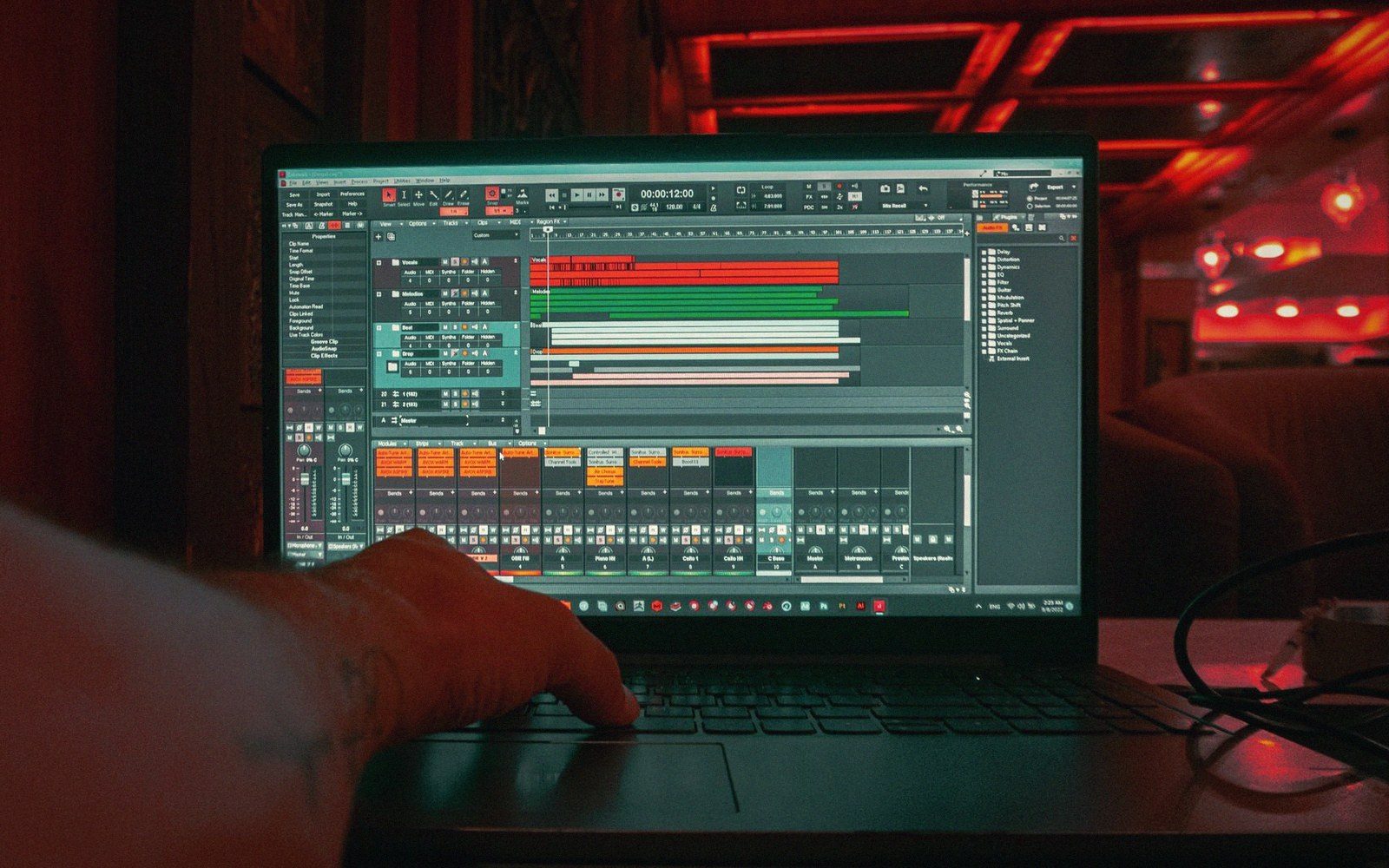
The dembow cell does not change. What changes is what your body does with it.

You cannot hear it, and that is the point. The clave pattern has been encoding Latin rhythm for centuries; digital production hid it deeper but never erased it.
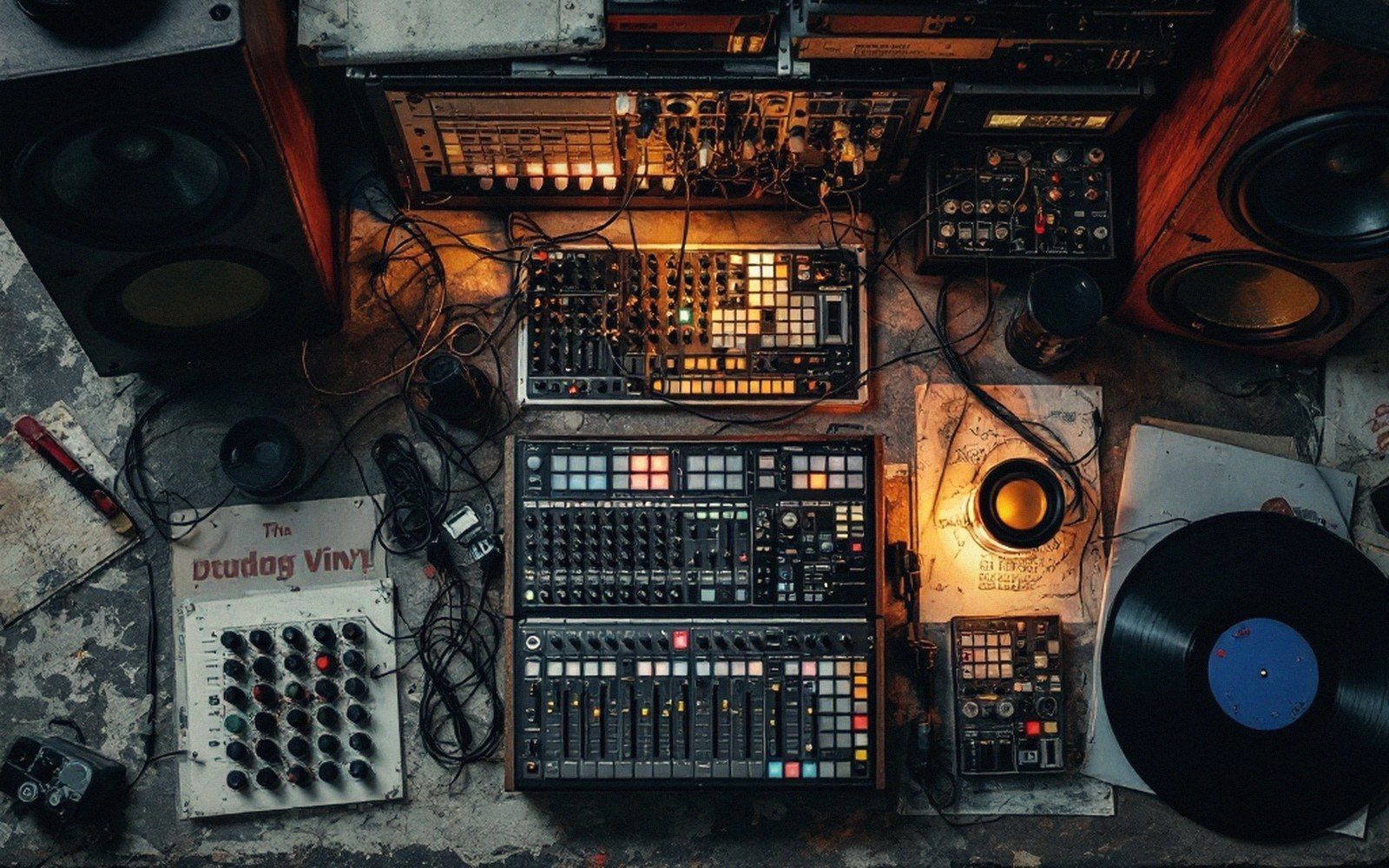
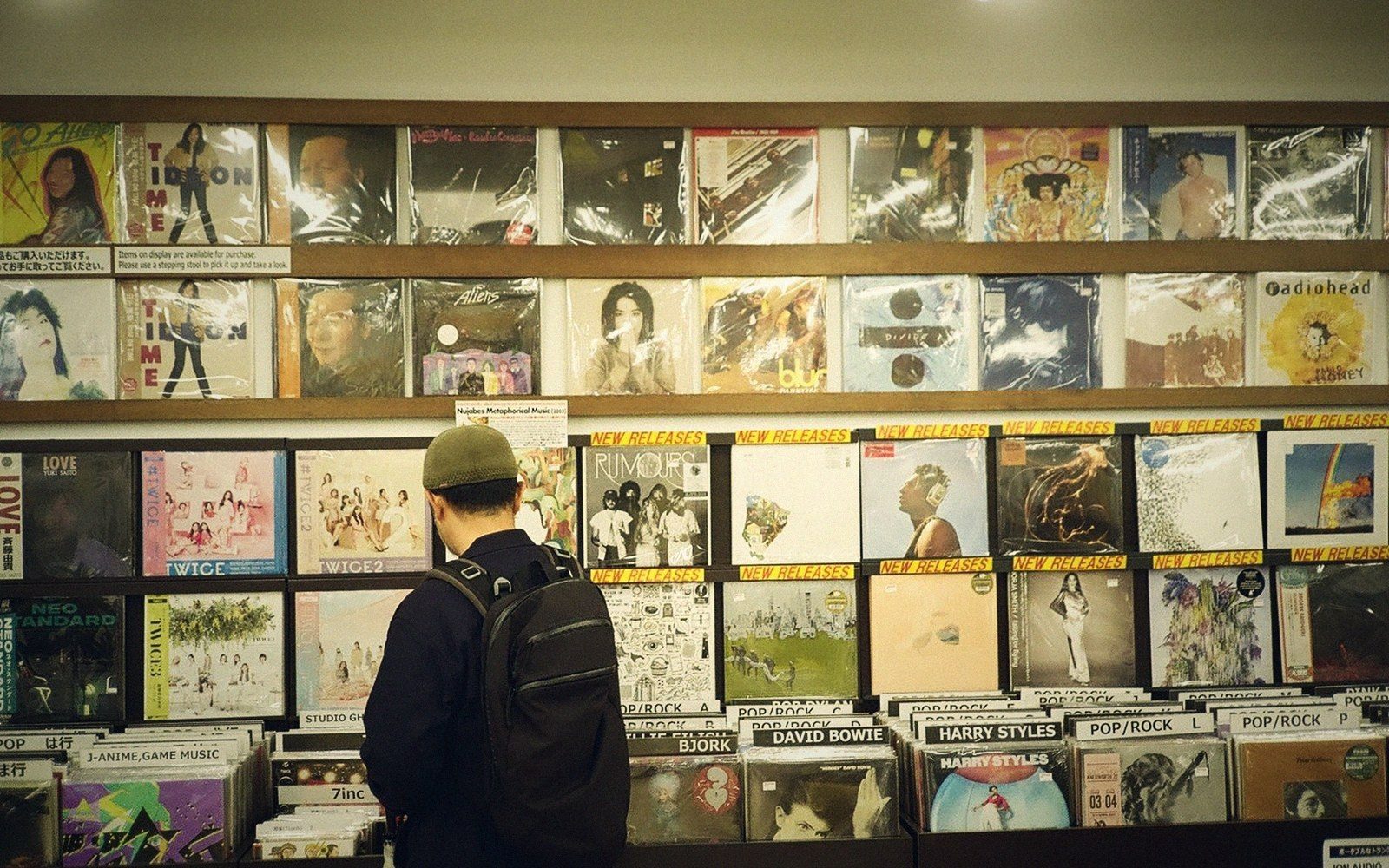
The economics of a 12-inch conspire against a label in Buenos Aires or São Paulo in ways they simply do not against one in Berlin.
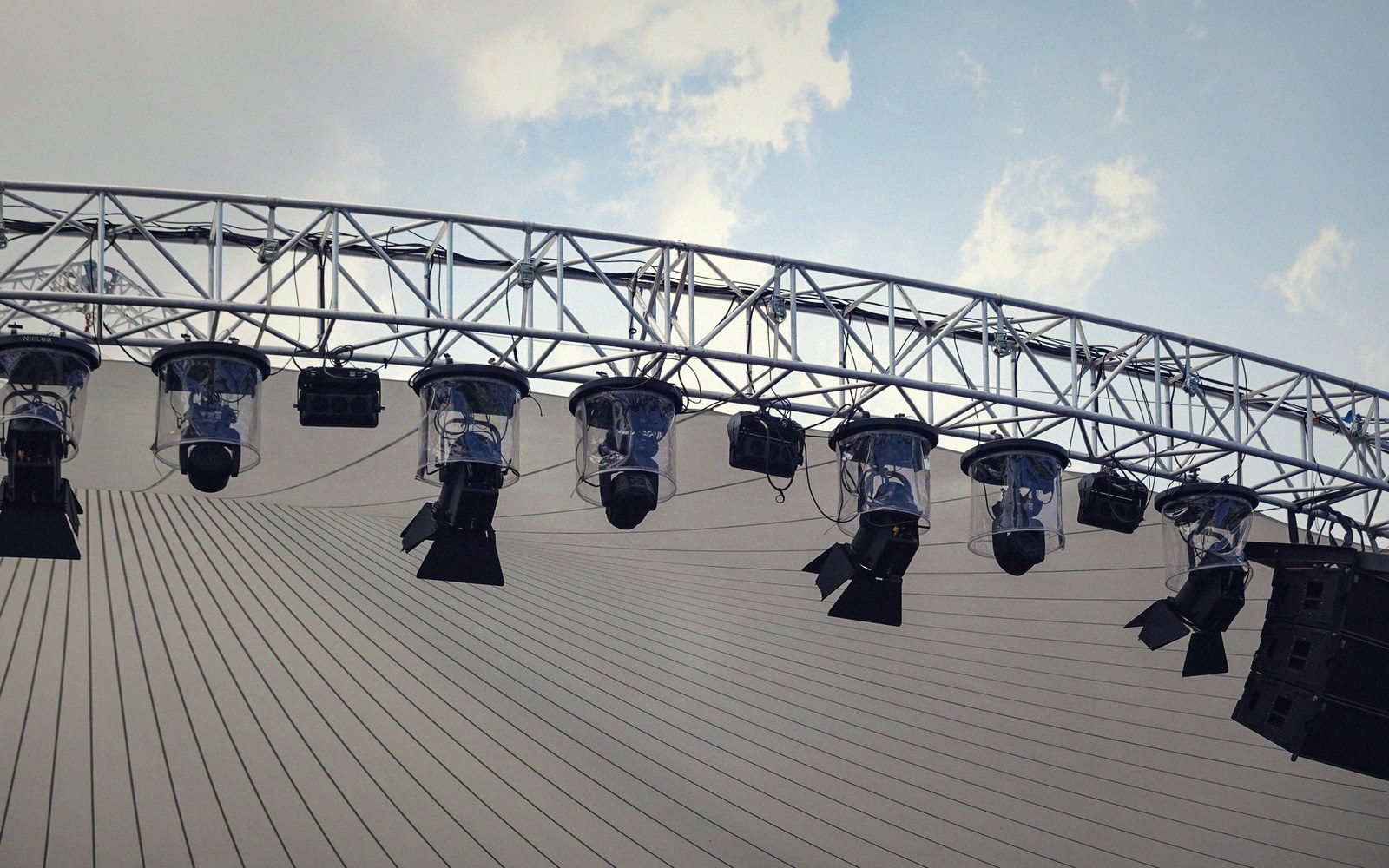
The conversations about Latin American electronic music keep returning to São Paulo and Buenos Aires. Mexico City built something different and has largely let it go unremarked.

Streaming and downloads removed the shipping cost. They did not remove the friction of being unknown.
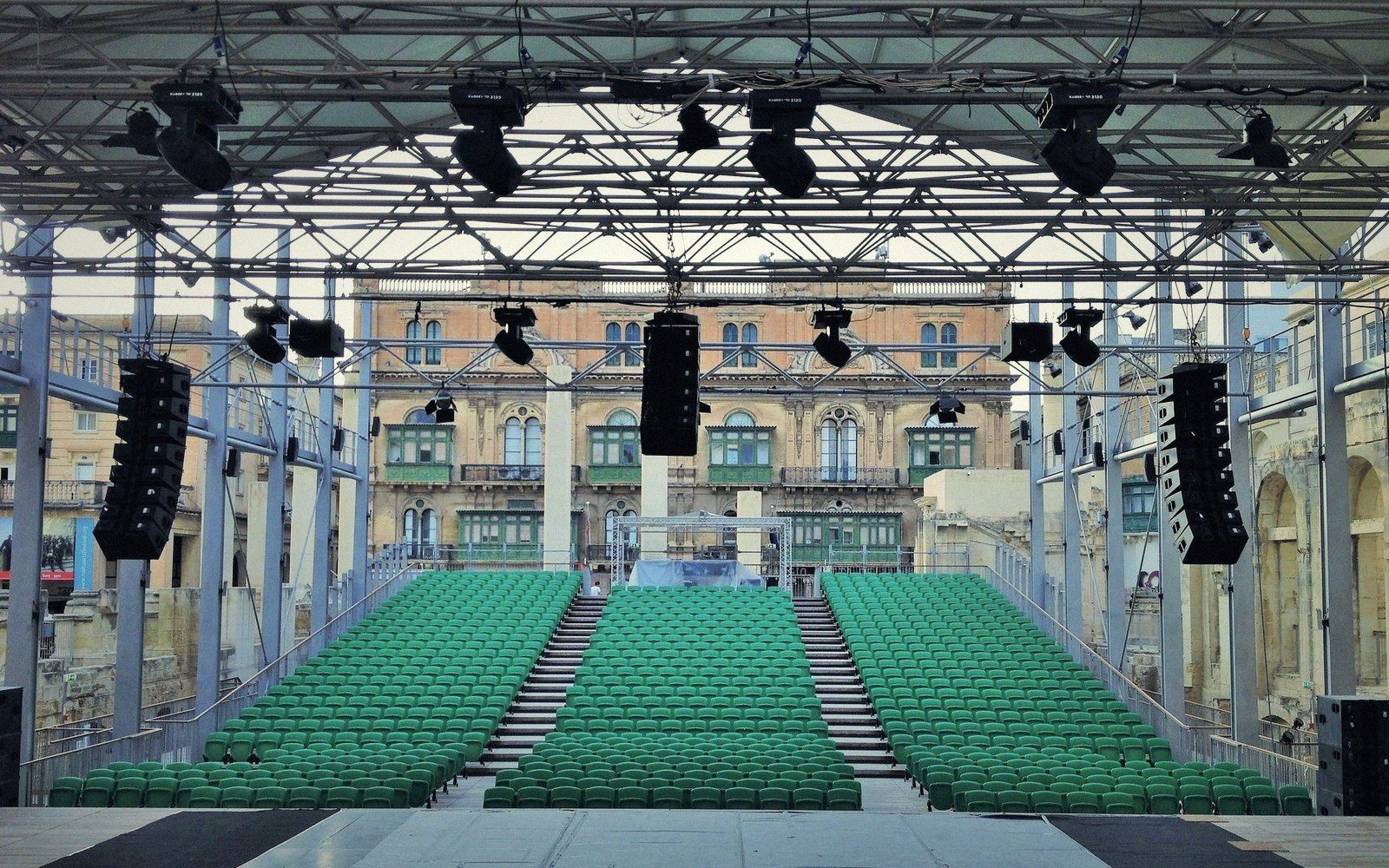
When Brazilian electronic music gets historicized, the story typically begins somewhere in the early 1990s: imported gear, São Paulo warehouse parties, a generation discovering house…
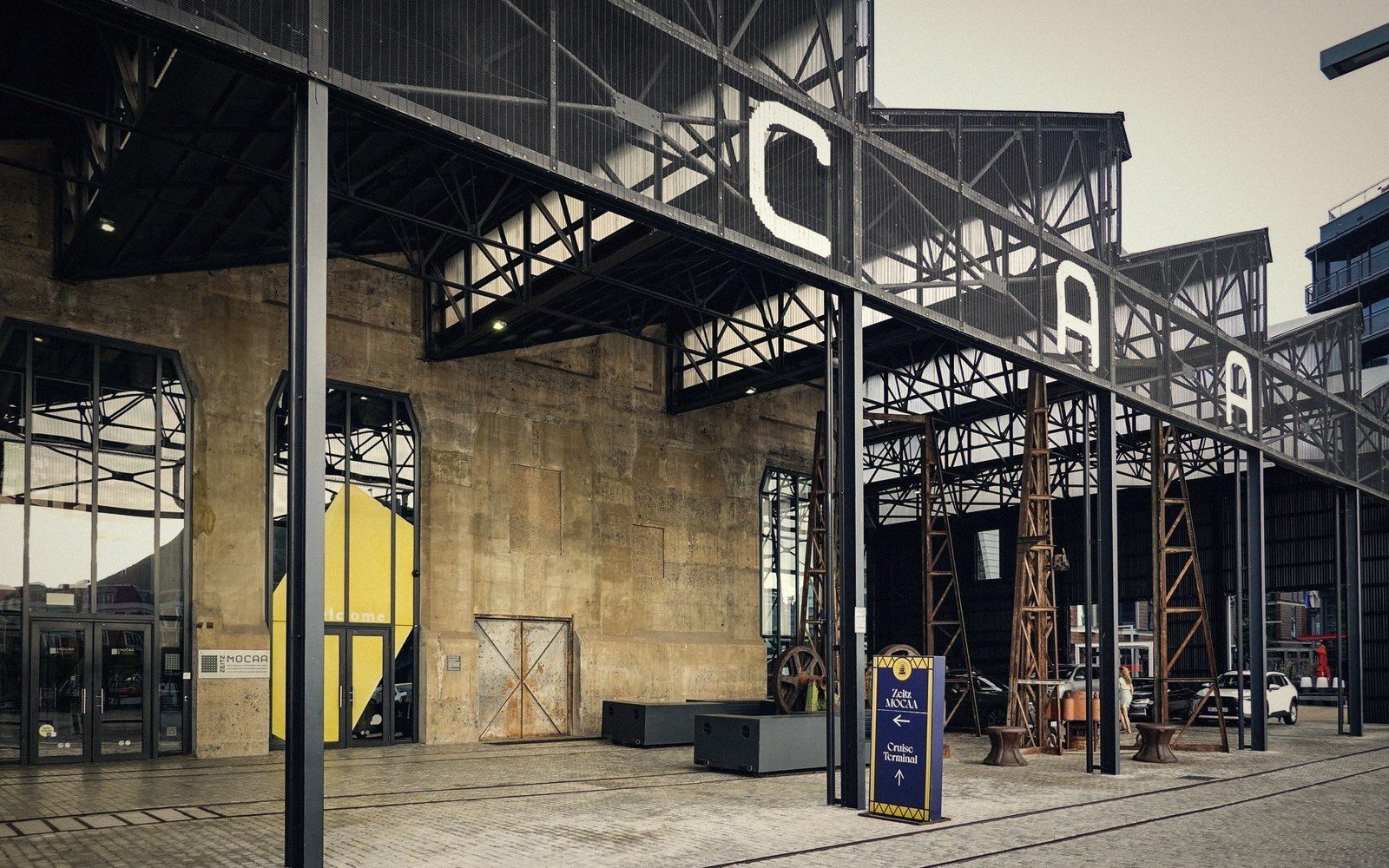
Every producer working in Latin American electronic music is working in conversation with a set of rooms — not abstractly, but literally.
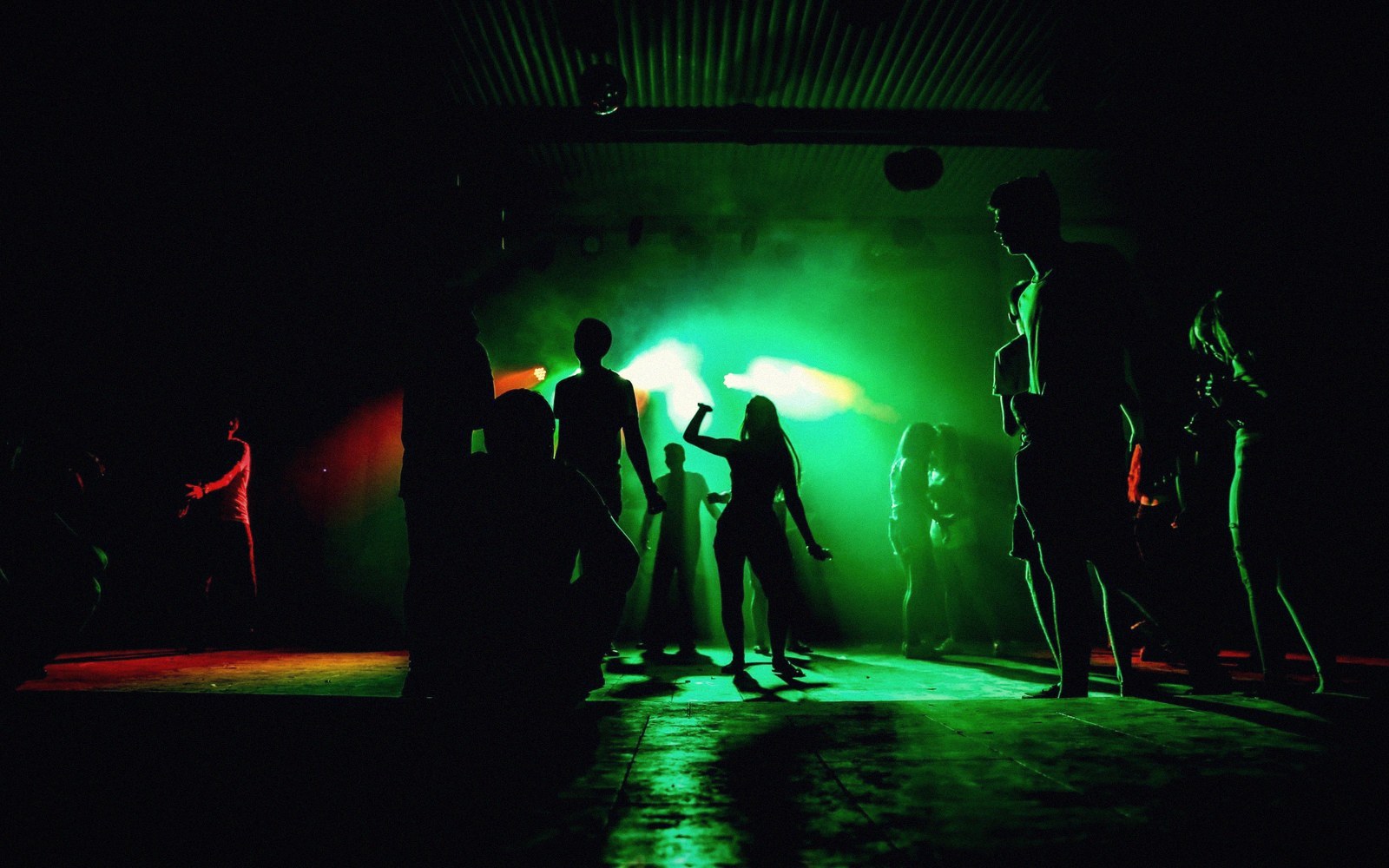
A floor does not disappear cleanly. Some of it persists. Some of it does not.
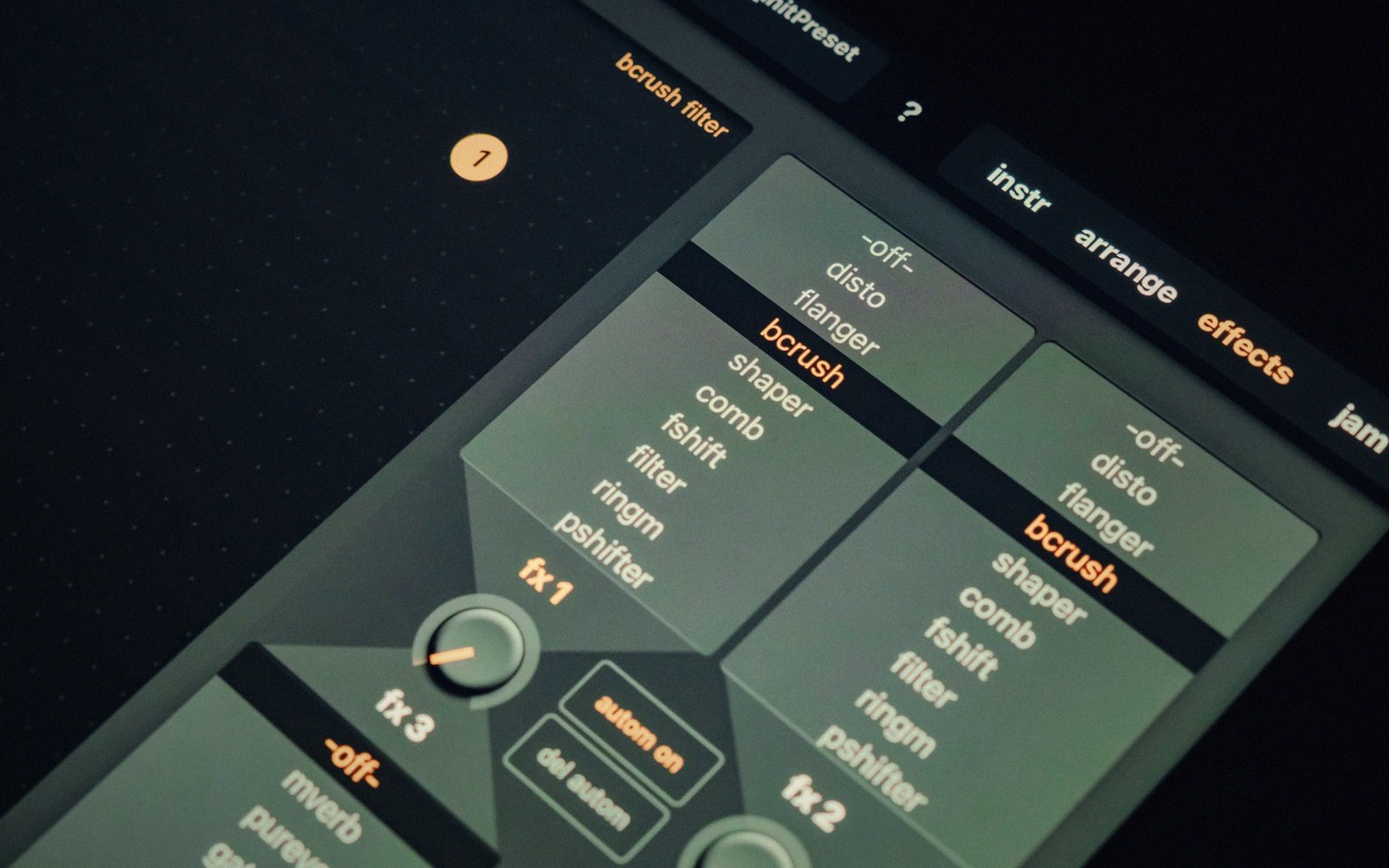
A wobble bass is a simple idea: an LFO (low-frequency oscillator) routed to filter cutoff on a synth patch, set to pulse in rough synchrony with the track's tempo.
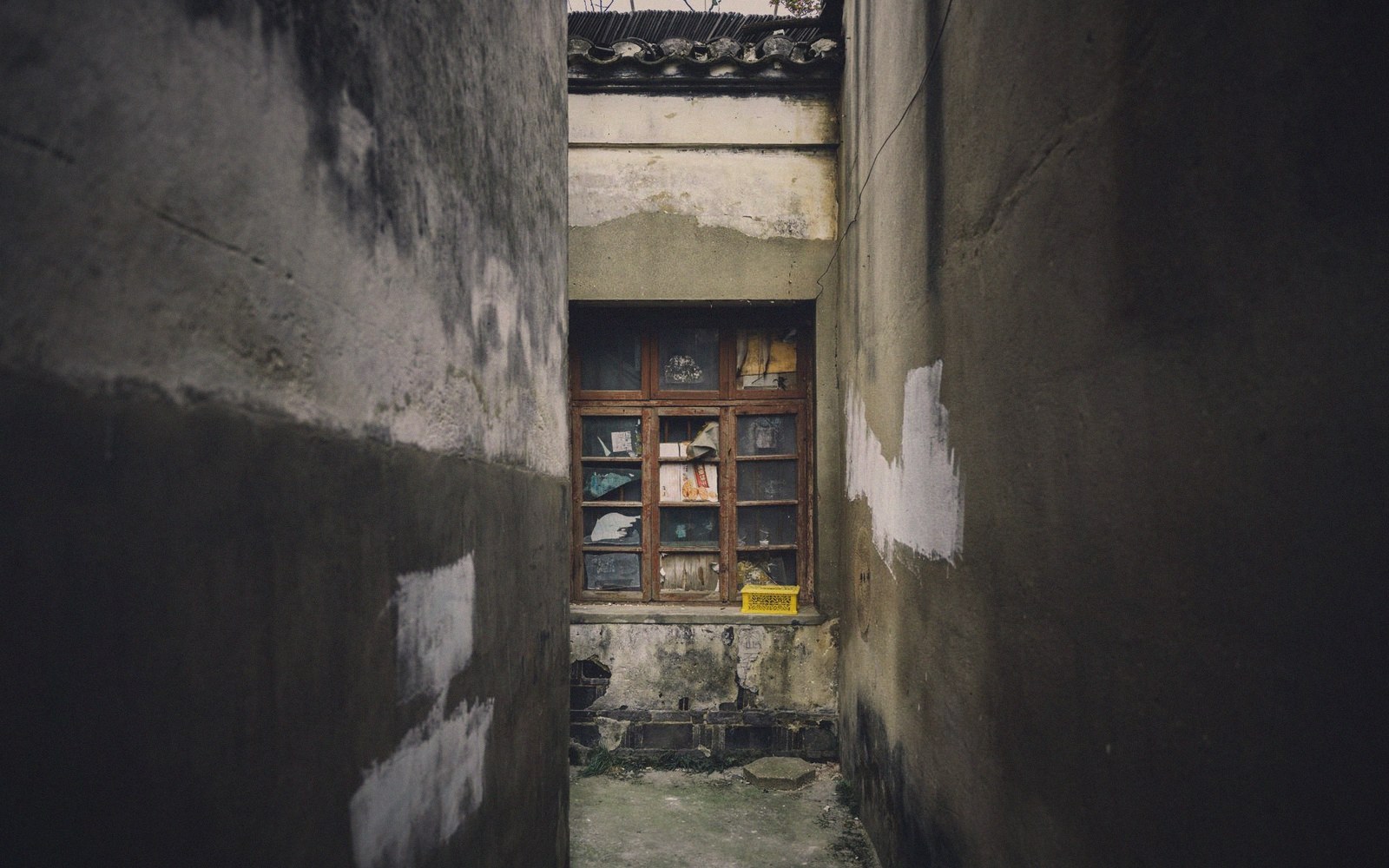
Sub-bass in open air is one problem. Sub-bass in a canyon of concrete is a different discipline entirely, and most of the operators who figured it out did so by breaking things first.
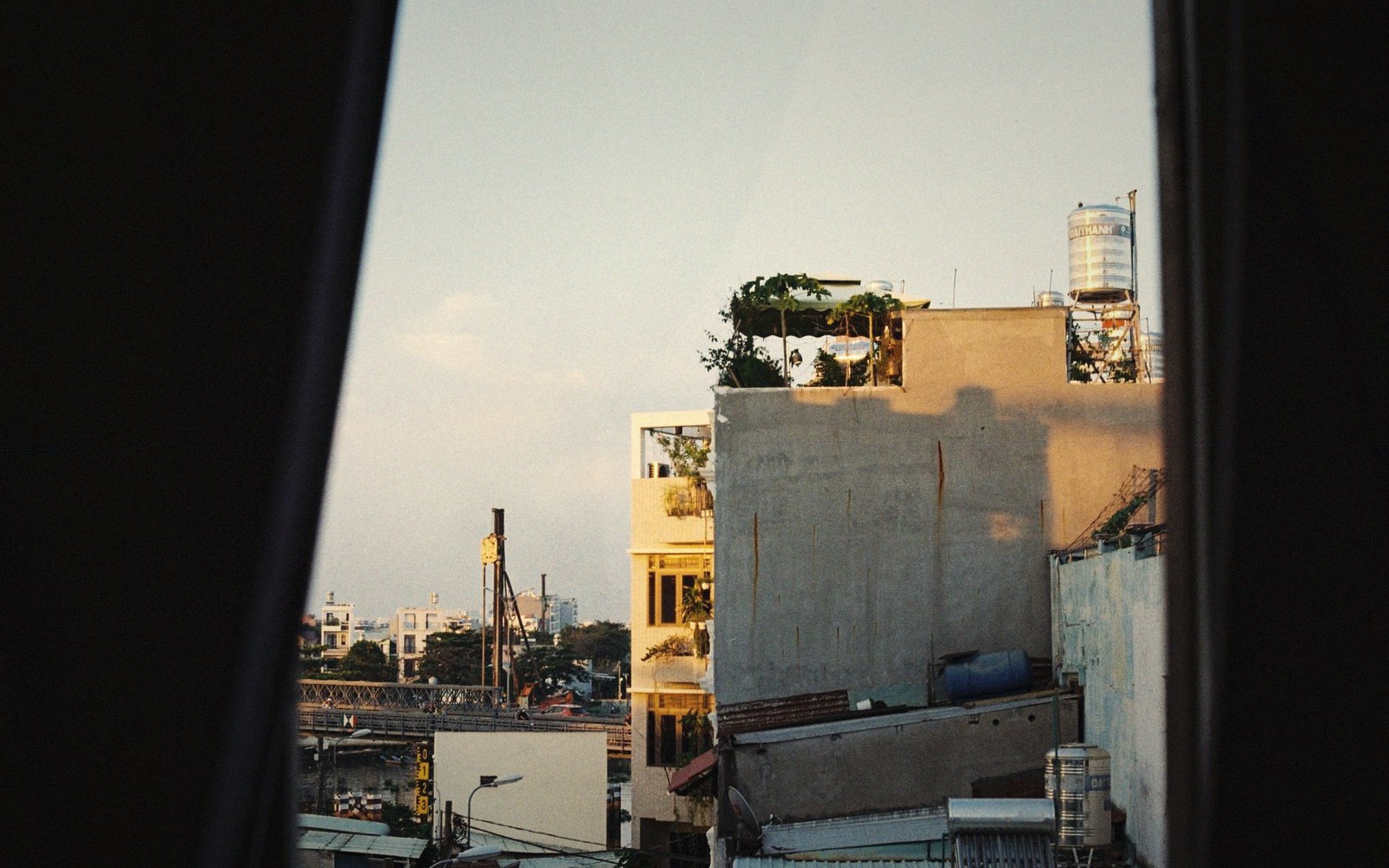
How real-estate pressure, noise ordinances, and brutal afternoon heat turned São Paulo's rooftops into one of the most distinctive event formats in Latin American electronic music.
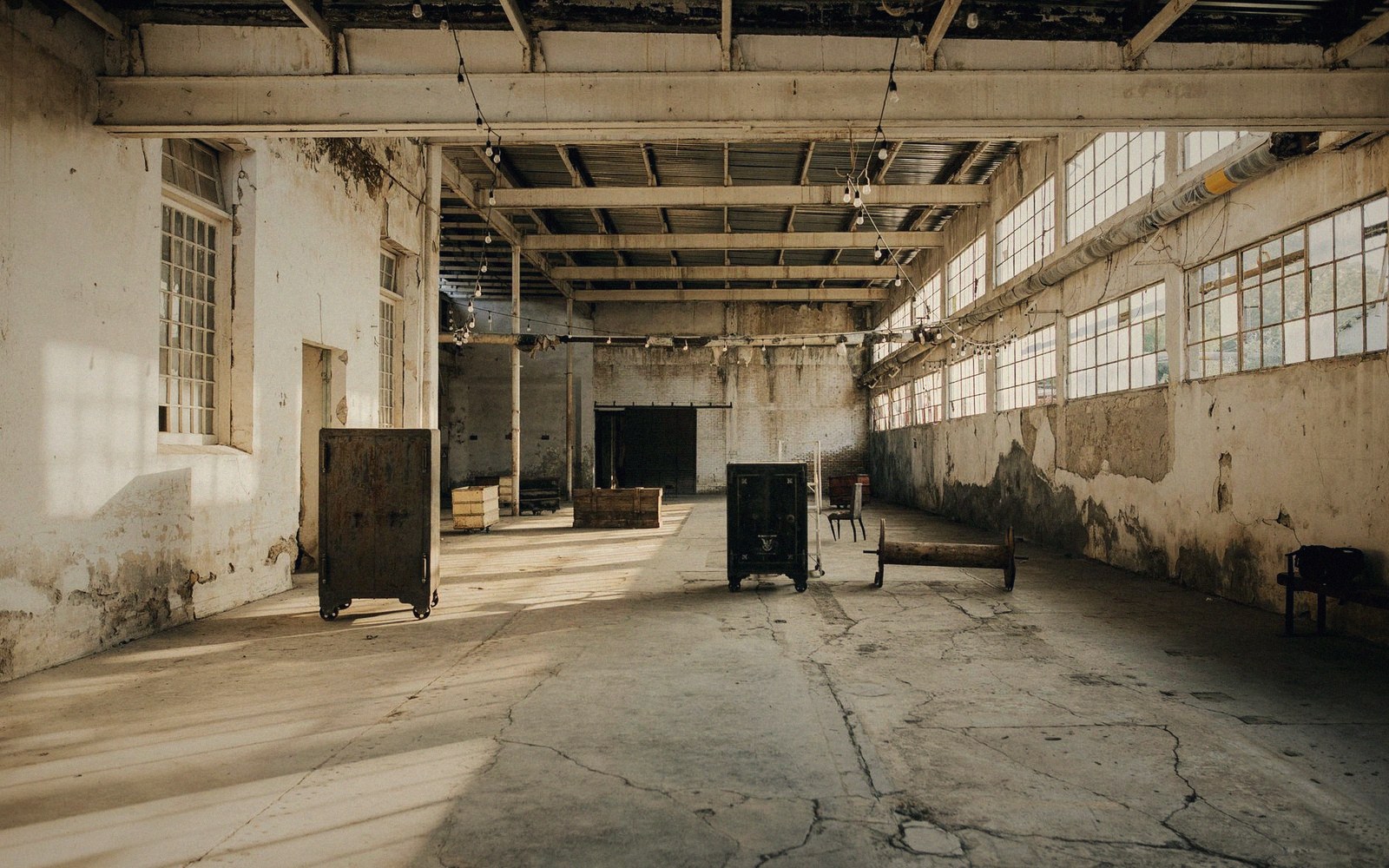
A mid-scale baile rig in São Paulo — the kind that fills a concrete rooftop or a mid-capacity indoor space — runs to somewhere between 600 and 900 kilograms of gear before you count…
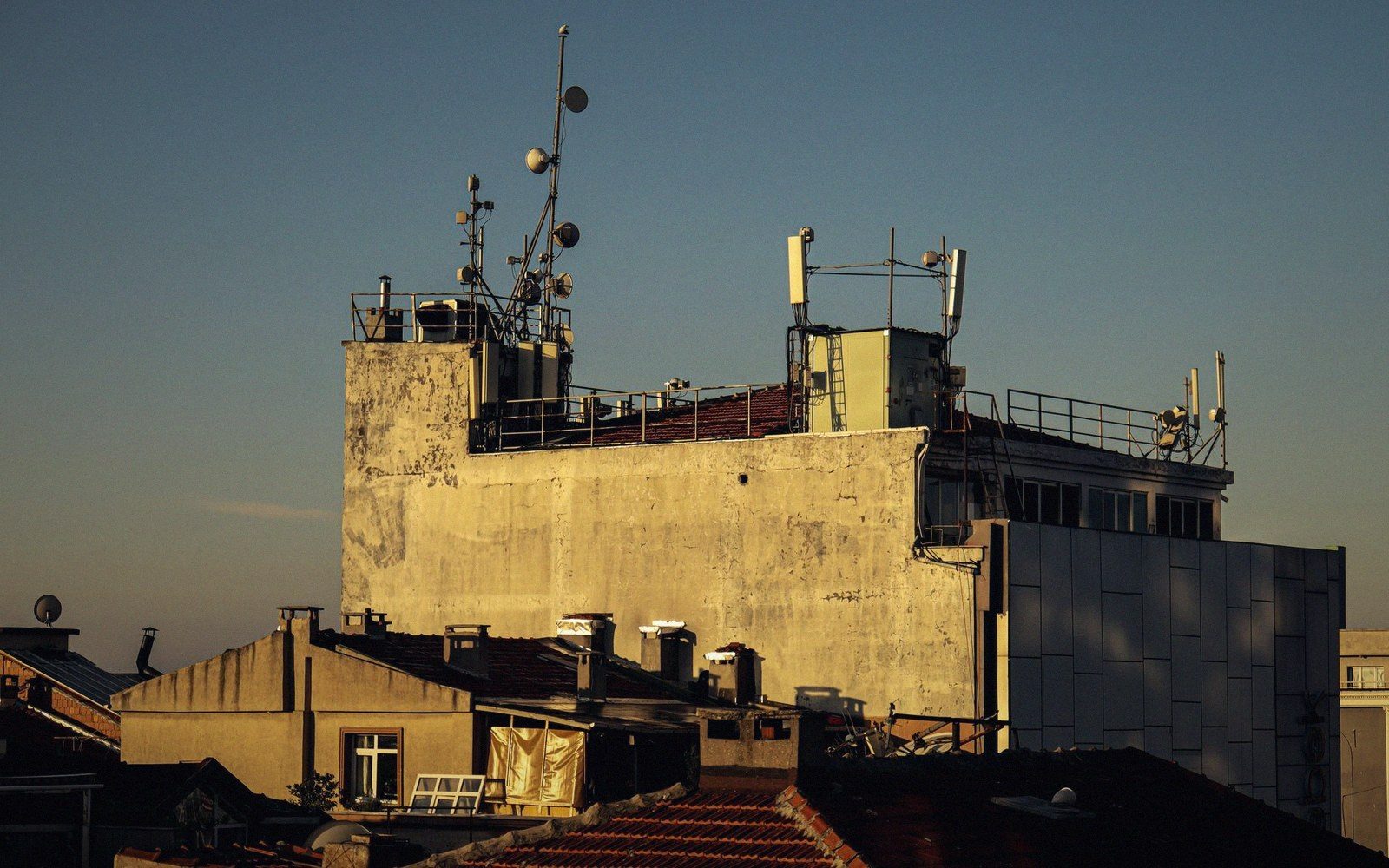
A rooftop is not a venue. It became one out of necessity — real estate pressure, noise ordinances, and the persistent Latin American instinct to find usable space wherever a city…
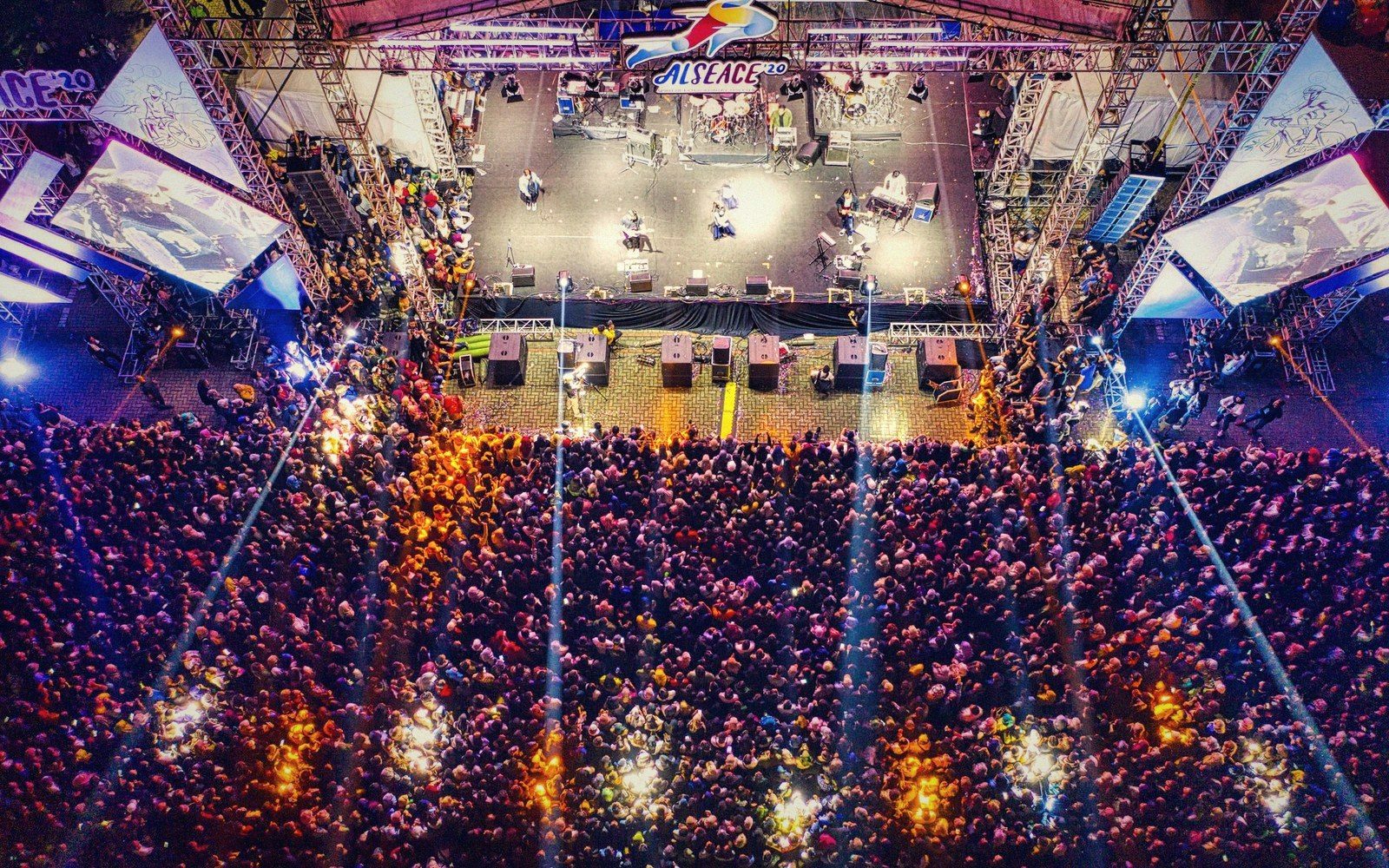
The music that came out of Rio's favelas had the shape it had because of where it was made, who controlled the spaces, and what equipment cost.
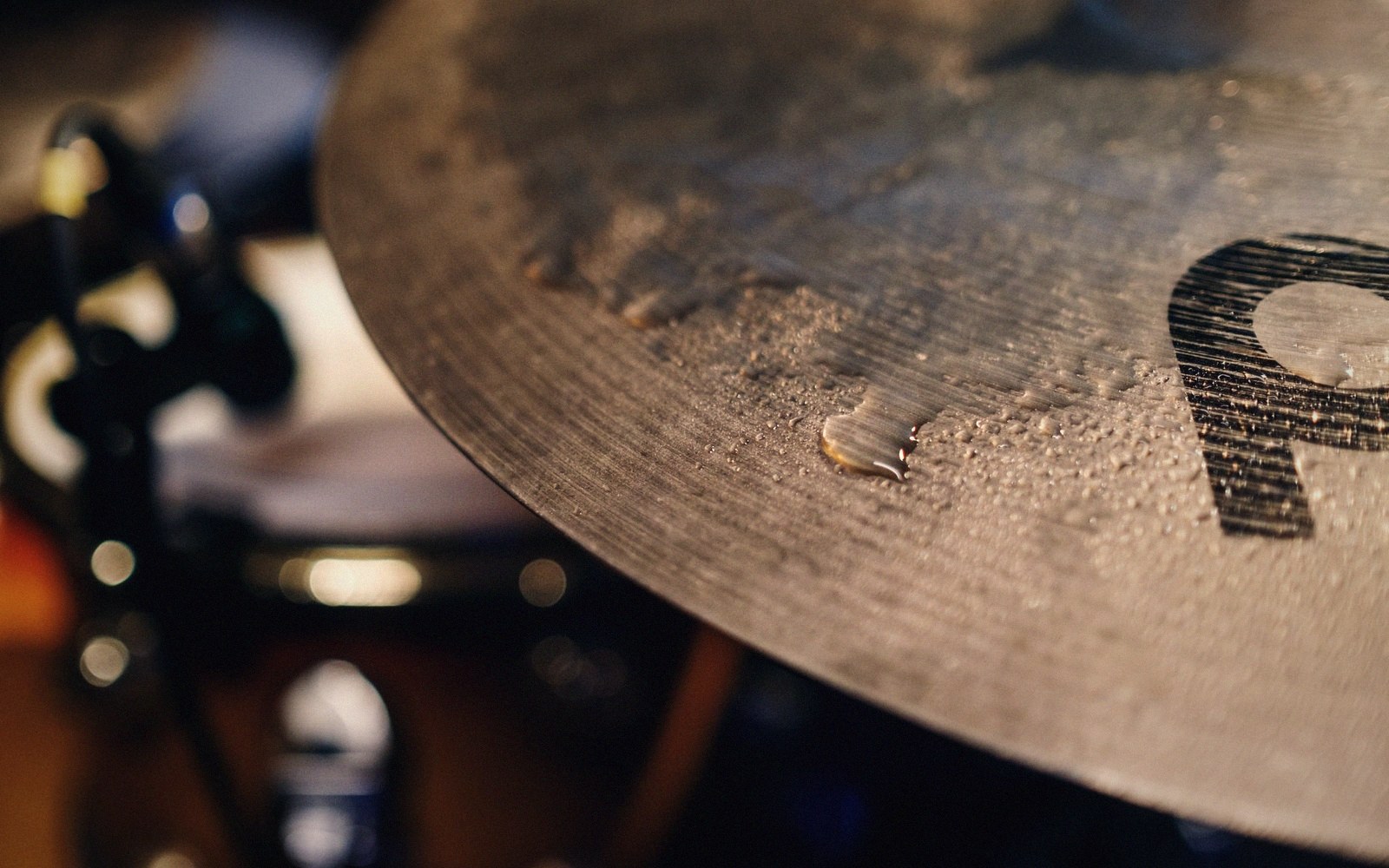
Why Brazilian live percussion doesn't lock to your quantise button — and why that's the point.
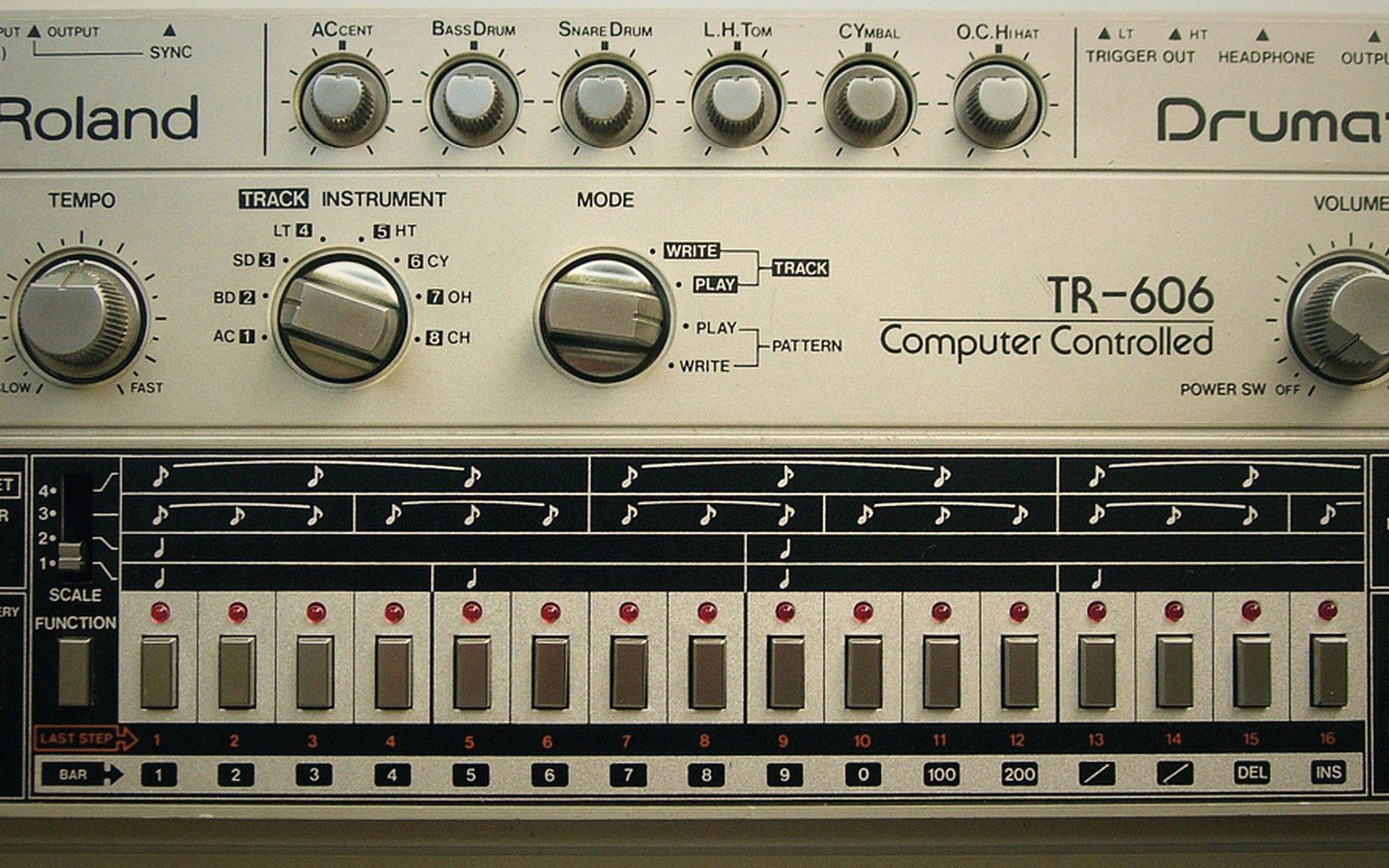
Affordable hardware with limited outputs and fixed voicings shaped Latin American electronic music more decisively than any professional studio chain.
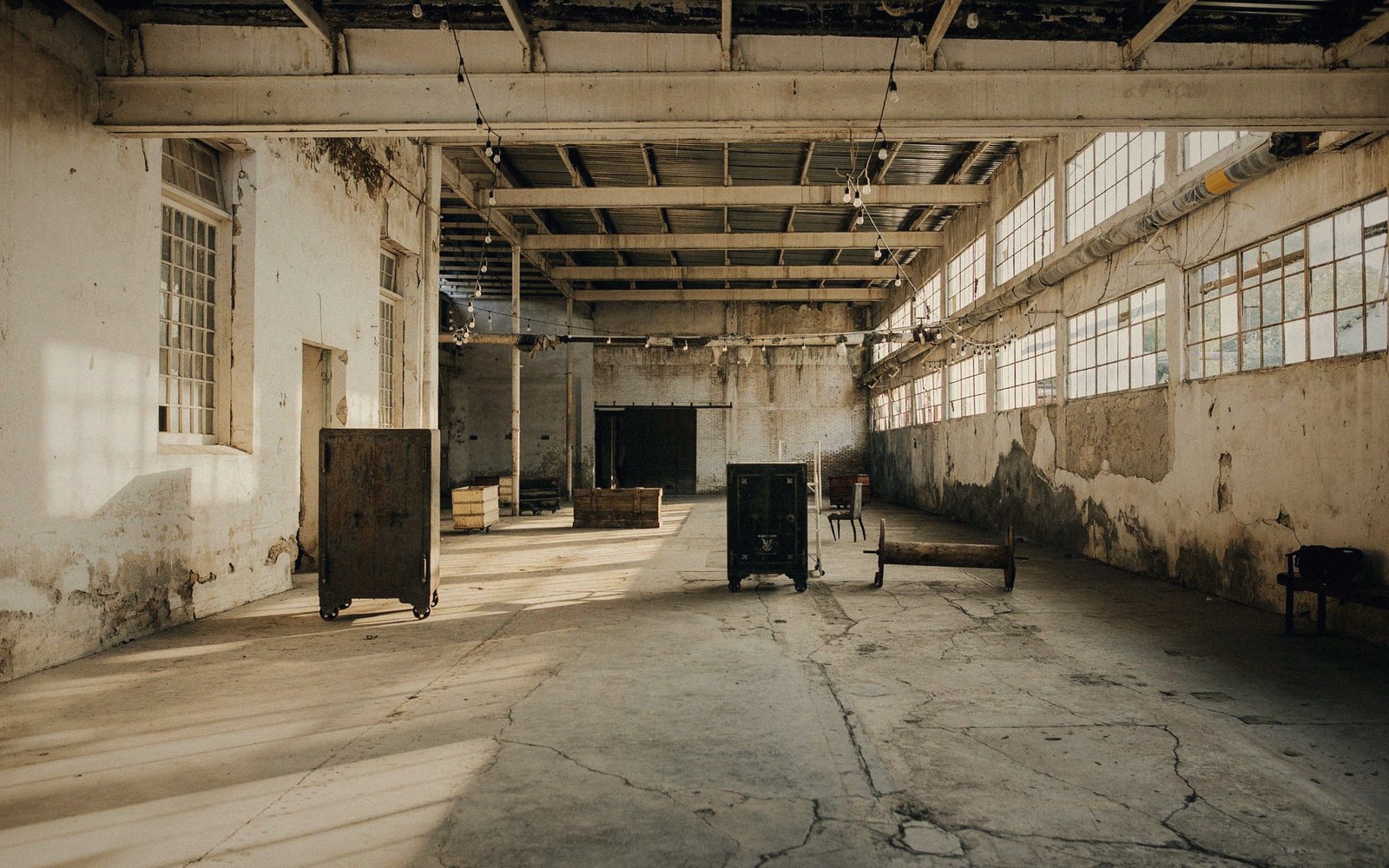
Same decibels, different logic — the two systems are built around completely different relationships with a crowd.
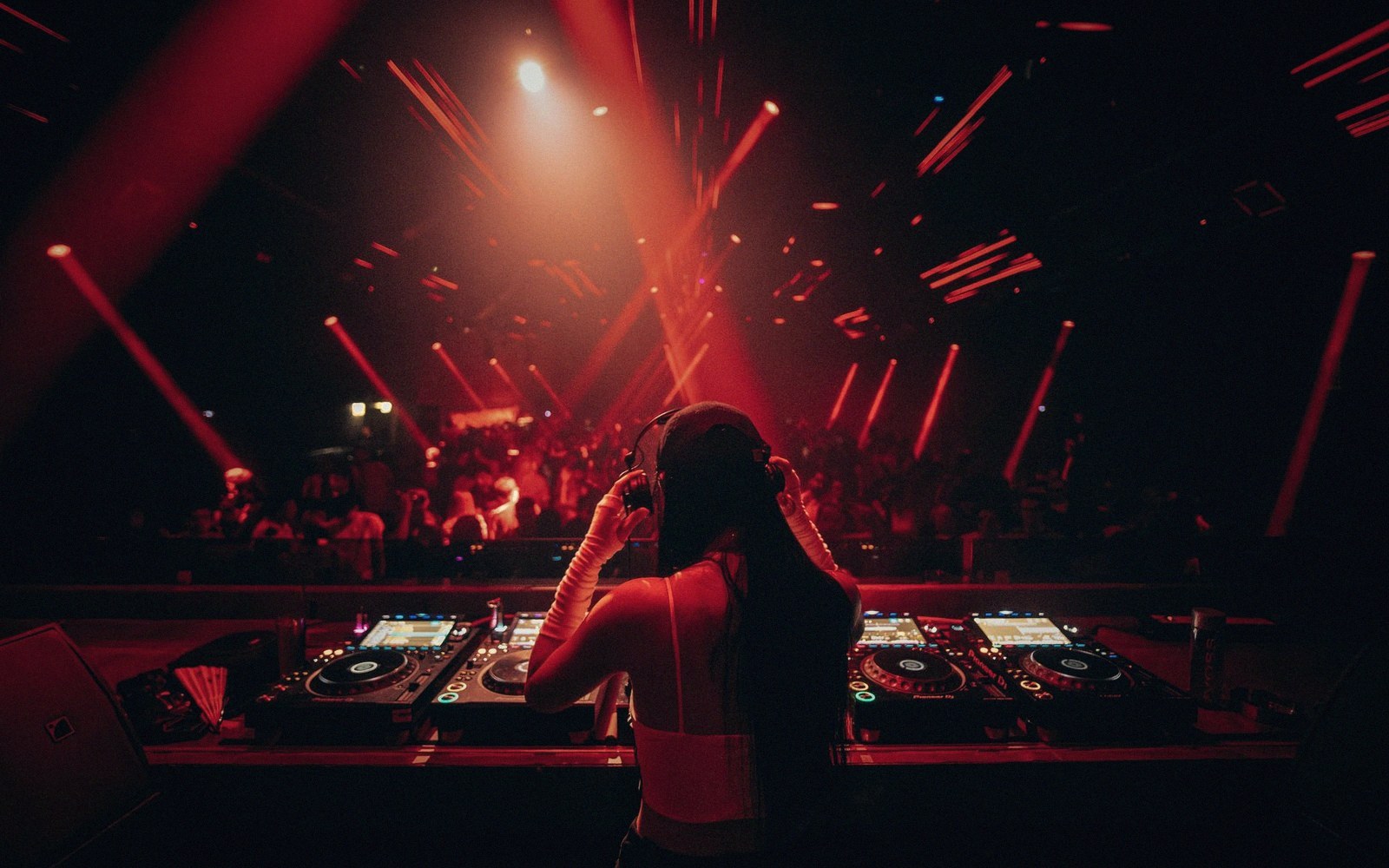
Midnight is when people leave the house. The music that works there is built around that fact.
The histories, arguments and long reads that explain where Latin American electronic music came from and what holds it together.
Close listening: rhythm structures, production techniques, and why certain patterns move bodies and others do not.
Sound systems, speakers, wiring and the physical fact of loud music in small spaces — the engineering side of the floor.
Labels, releases and the business of getting music pressed, distributed and heard across a continent with no single centre.
Venues, scenes, cities and the culture that forms around dancing — how a night becomes a fixture and a fixture becomes a scene.
Six cities, real coordinates. The distance between them is usually the story.