The Long Way Round: Miami Bass and the Río de la Plata
The bass arrived before anyone knew where it had come from.
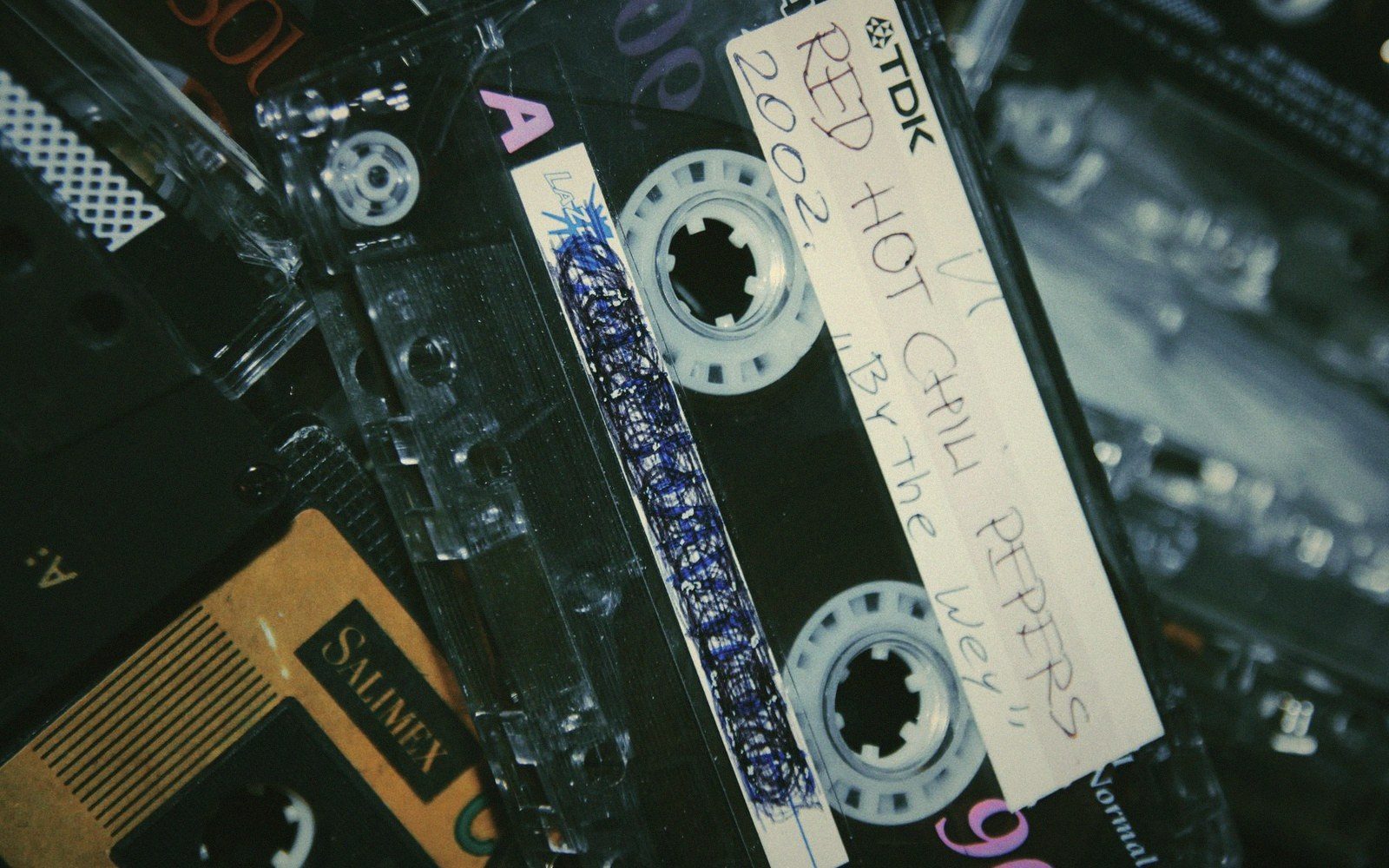
The Cassette Route
By the early 1990s, Miami bass — the 808-heavy, hyper-compressed club music built around acts like 2 Live Crew, Tag Team and Techmaster P.E.B. — was moving south through informal networks that had nothing to do with record labels. Sailors, truck drivers and small-time traders carried cassettes across borders the way they carried everything else: in bulk, without documentation. By the time a copy of a Luther Campbell twelve-inch reached a Buenos Aires market stall, its origin was often a matter of rumour. What mattered was the low end: that chest-filling, almost comical sub-bass thud that the Roland TR-808 produced when pushed hard and low.
The cassette trade meant that Miami bass reached the Río de la Plata stripped of context. Nobody was selling the biography of the record. The sound arrived as pure sensation — a kick drum that felt structural, a bass line that sat below the range where melody lives. In the villas (informal settlements on the Buenos Aires periphery), sound-system operators and small producers absorbed this without asking whether it was theirs to absorb. That question was never the point.
Pirate Radio and the Remix Mentality
Argentine pirate radio through the 1990s was a transmission belt for everything foreign that the licensed stations wouldn't touch. FM signals broadcast from apartment blocks carried cumbia, tropical, and increasingly, bass-heavy material that owed something to the North American originals. Producers heard these broadcasts and did what producers do: they slowed things down, added the three-two rhythm of cumbia's caja drum, and made a new object from the borrowed parts.
This process accelerated when cumbia villera — a rawer, street-level mutation of cumbia that emerged prominently in Buenos Aires around the late 1990s — became the dominant popular form in working-class neighborhoods. Cumbia villera's producers were already working with cheap drum machines and samplers; the sonic vocabulary of Miami bass (the 808 kick, the pitched-down vocal, the saturated low end) slotted into their workflow almost without friction. The 808 kick became the caja. The bass line stayed, but it was retuned around cumbia's rhythmic grid. What came out was neither Miami nor Argentine, but it was unmistakably both.
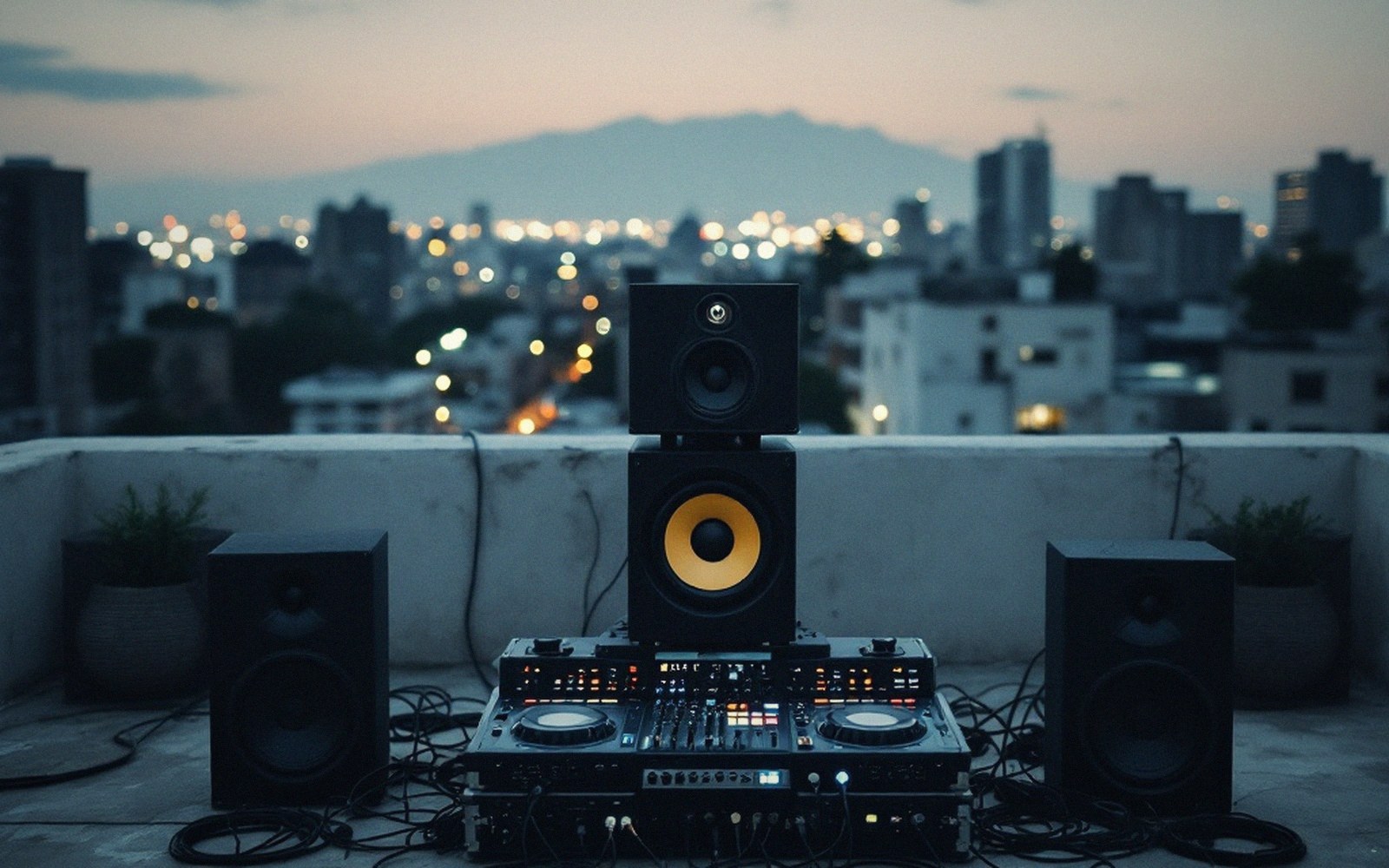
What the Remaking Actually Changed
The key transformation was rhythmic. Miami bass runs fast — typically between 130 and 145 BPM — and its energy is linear, relentless, designed for a specific kind of horizontal movement on a flat club floor. Slowing that tempo down by thirty or forty BPM and introducing the syncopated lurch of cumbia's pattern didn't just make it slower; it made it different in kind. The body responds differently. The space between beats opens up enough to dance into, not just react to.
The bass itself was repitched and re-articulated. Where Miami bass uses the sub to overwhelm, the Argentine remix tradition used it to anchor — a foundation for a rhythmic conversation rather than a wall. The result, across dozens of cassette-only and later CD-R releases through the early 2000s, was a genre without a clean name: not quite cumbia, not quite bass music, held together by the logic of the room it was made for.
Miami never came to Buenos Aires. A distorted copy of its low end did — and Buenos Aires, as it tends to, made something more interesting out of the copy than the original ever managed on its own.
Related on the spine
Filed in The Spine. Every piece on this site is filed by the tempo it sits at rather than by genre or city — browse the whole spine.