Funk Carioca Did Not Happen by Accident
The music that came out of Rio's favelas had the shape it had because of where it was made, who controlled the spaces, and what equipment cost.
A Structure Before a Sound
By the time baile funk — also called funk carioca, literally "Rio funk" — had a name anyone outside Brazil recognized, it had already been running for roughly two decades on its own internal logic. That logic was not aesthetic first. It was geographic, economic and social. The sound followed the structure; the structure came from the city.
Rio de Janeiro is a city that stacks its poorest residents on the hills — the morros — and in the peripheral flatlands, the baixadas, with a geography that effectively severs those communities from the expensive zones near the beach. That severance, which is physical and political at once, created the conditions for a music infrastructure that didn't depend on downtown venues, major labels or mainstream radio. Baile funk grew into that gap, and the gap is the reason it grew the way it did.
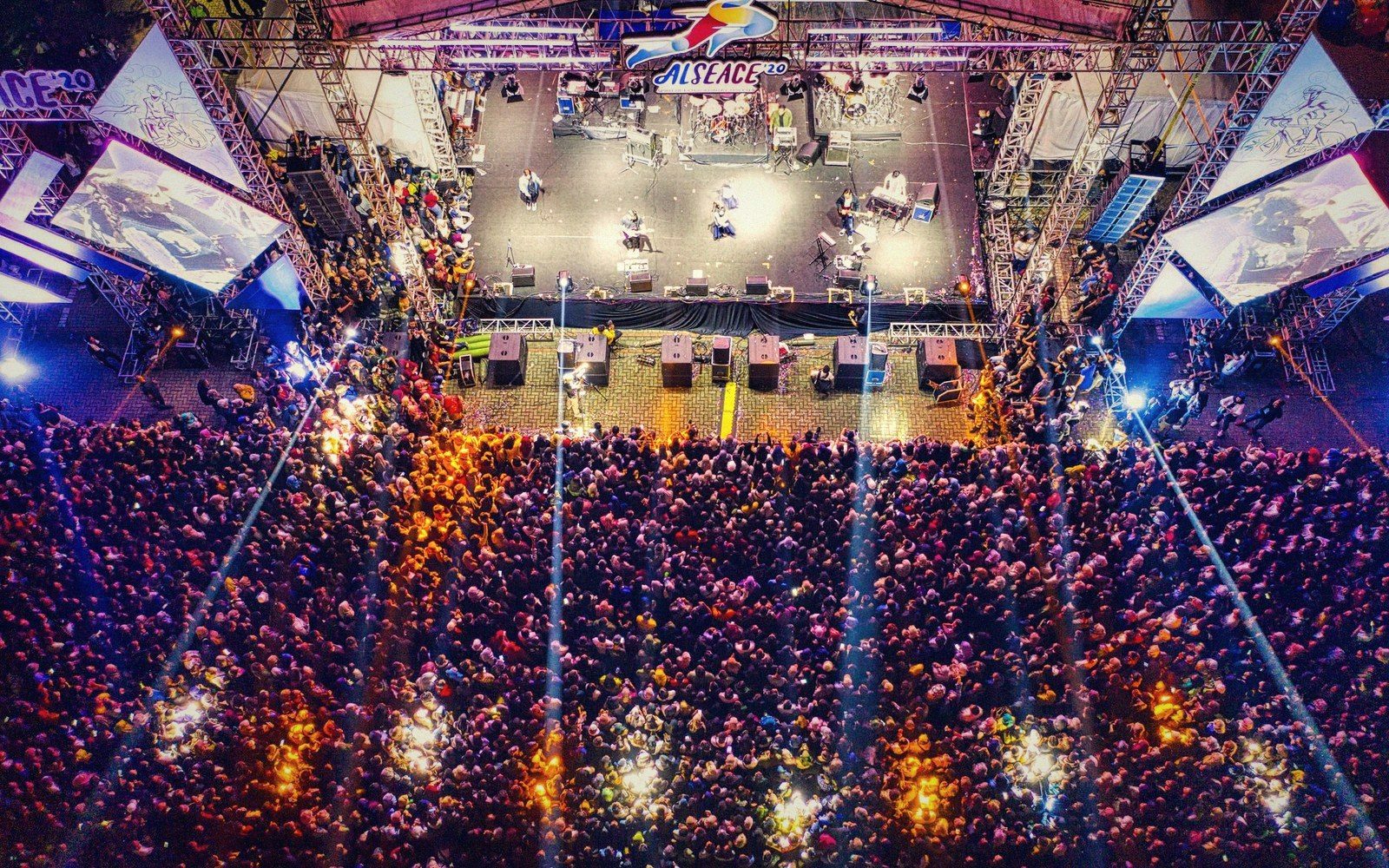
The key institution is the baile itself — the dance party — and more specifically the equipe de som, the sound system crew. These were not promoters in the conventional sense. They were organizations: named, branded, territorial, and in many favela communities, among the most consequential local institutions operating. Equipes like Furacão 2000 and Kaskata's built loyal crowds across specific neighborhoods, owned or rented large speaker rigs, and effectively controlled which DJs and MCs performed and where. That concentration of infrastructure at community level, rather than at corporate or label level, meant that the music's gatekeeping function stayed local.
Why No Label Could Own It
Record labels, when they exist in a scene, typically own two things: distribution and the master recording. Funk carioca's early distribution was neither digital nor retail — it ran on copied cassette tapes, sold informally in street markets, passed between friends, duplicated at home. The format was frictionless to reproduce and cost almost nothing per copy. Any attempt to gate access required controlling the physical copies, and that was practically impossible in a culture where duplication was the norm. The cassette culture that persisted across much of Latin America was not nostalgia here — it was the actual distribution infrastructure.
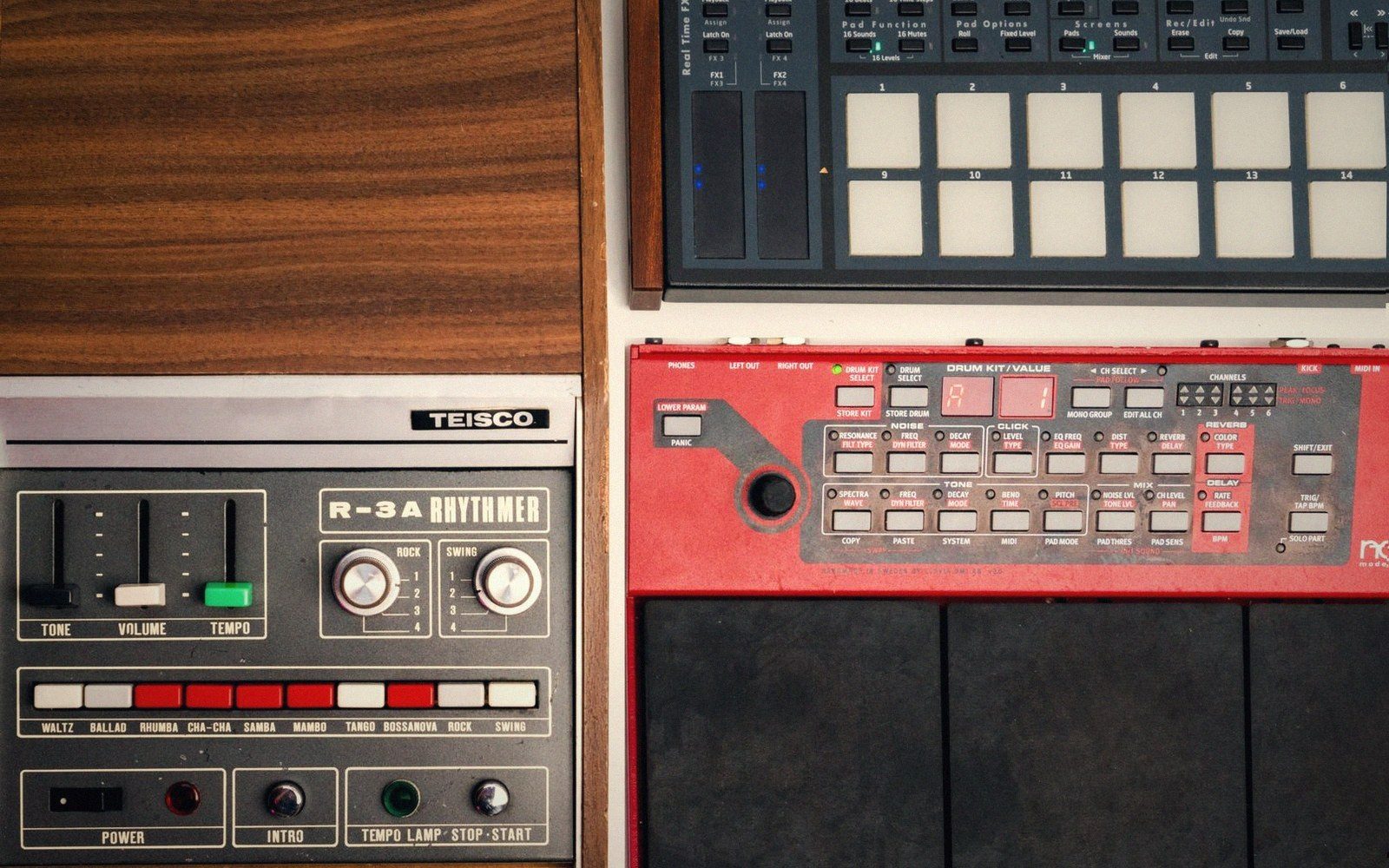
Production costs were low enough to keep the bedroom or the home studio as a viable production site. Early funk carioca producers worked with whatever drum machines and samplers were accessible — the same budget hardware circulating across the region's bedroom scenes. The Roland TR-808's kick drum became the genre's backbone not because someone chose it conceptually but because the machine was available, its bass register was immediately effective on a large speaker rig in an open space, and you didn't need to be able to play an instrument to program a pattern. Economic constraint shaped the aesthetic at every level.
The MC in baile funk is not a decoration. The vocal, usually improvised over a beat, is the locus of content — social commentary, neighborhood pride, sexual frankness, local humor — and because the MC is a live performer who exists in the room rather than on a record, the performance can't be owned the same way a recording can. The MC's material mutated from baile to baile, neighborhood to neighborhood, in a form of distributed authorship that copyright law has never handled cleanly. This was not a workaround; it was just how the form operated.
Distributed Ownership, Contested Territory
The equipes were powerful enough to constitute genuine community authority, and that authority was not always benign. In some favelas, the relationship between sound system crews and local criminal organizations was entangled in ways that shaped which equipes could operate in which areas. This is part of the history and part of why attempts by the Rio municipal government to regulate or suppress baile funk across several decades — including outright prohibitions under Lei Orgânica do Município provisions — never fully worked. The infrastructure was too distributed, the community investment too deep. You couldn't shut down a venue you couldn't identify. You couldn't seize masters that didn't exist as commercial releases.
What survived those suppression attempts was not just music but a template: a community-owned, informally distributed, live-event-centered music form that major-label infrastructure genuinely could not absorb. When baile funk eventually attracted international attention — when producers in Europe and North America started sampling its rhythms and when the tamborzão pattern (the compressed, syncopated kick-snare structure that drives mid-2000s funk carioca) became globally legible — the form had already been running for long enough that it had no obvious ownership center to buy.
That is the argument in compressed form: funk carioca is distributed because the city made centralization impossible, because the hardware made production cheap, because the cassette made copying free, and because the baile's live culture kept the economic center of gravity in the room rather than on a record. None of this was design. It was adaptation. But the result was a music form whose resilience came directly from the structures that necessity built, and those structures outlasted every attempt — regulatory, commercial, critical — to contain them.
Related on the spine
Filed in The Spine. Every piece on this site is filed by the tempo it sits at rather than by genre or city — browse the whole spine.