Why Buenos Aires Still Runs Late
Midnight is when people leave the house. The music that works there is built around that fact.
The City That Invented a Different Clock
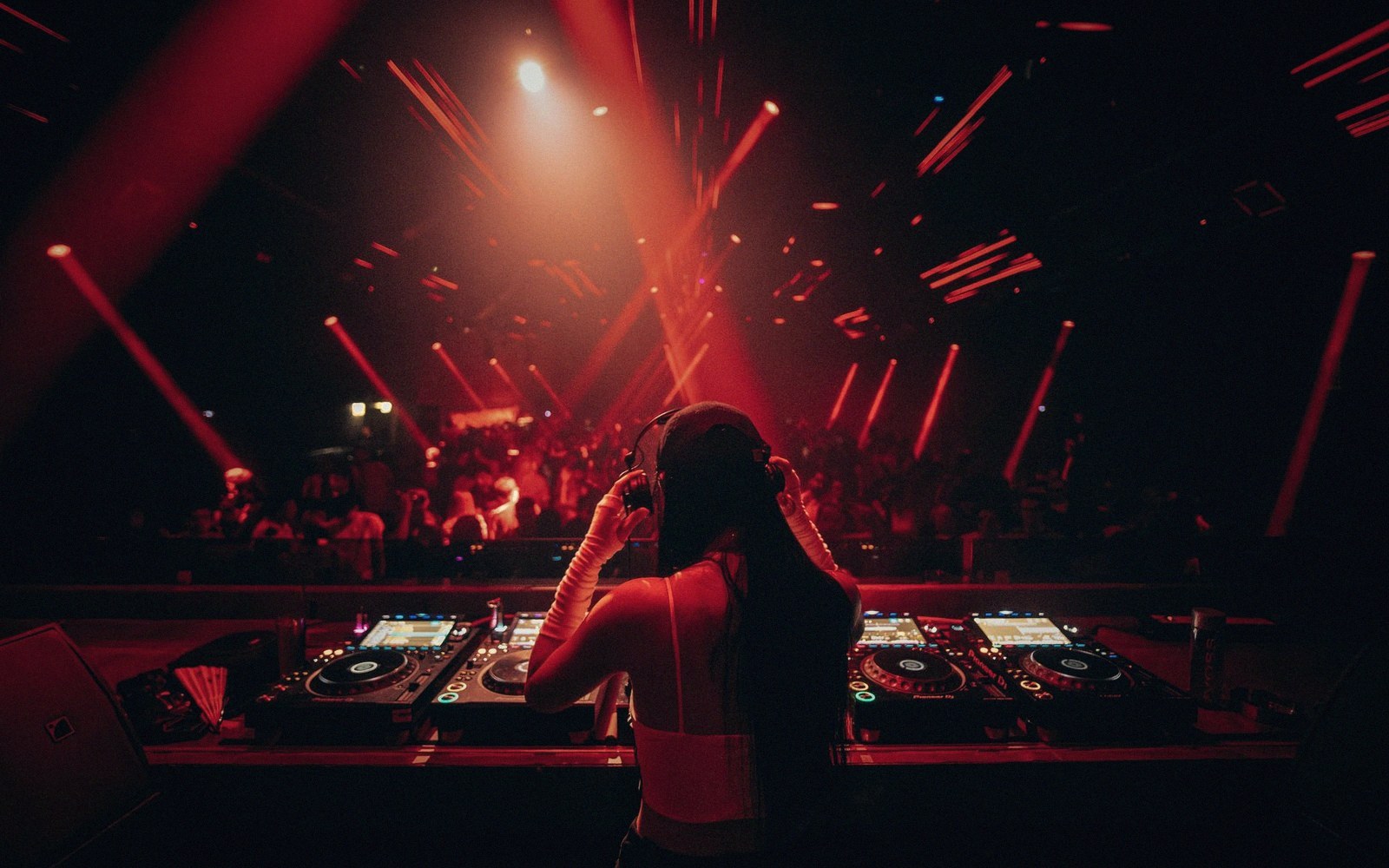
Buenos Aires operates on a social timetable that is not affectation. Dinner happens at ten, sometimes eleven. A club night that opens at midnight sees its real crowd arrive closer to two in the morning, peaks somewhere around four, and does not feel finished until six or later. This is not a recent development; it predates electronic music entirely, rooted in a porteño (Buenos Aires native) culture that treats late hours as normal social time rather than extreme commitment.
The structural consequence for music is real. A DJ set in Buenos Aires is not a sprint — it is a five- or six-hour arc played to a room that arrives gradually and does not want to be rushed. Producers making music for those floors know the room will not be full and frantic at two in the morning; it will be warm and building. That changes what works. Tracks with longer intros, slower tension curves, and more patience in the arrangement find a function here that they do not find in cities where the floor peaks at midnight and clears by two.
The tempo ranges typical of Buenos Aires club music — cumbia digital running in the low nineties BPM, slower electro-cumbia edits, unhurried electronic cumbia variants — are not accidental. They suit a room that has hours ahead of it. A track that feels too slow on a Berlin floor at 1am can feel exactly right on a Buenos Aires floor at 3am, because the crowd is still arriving, still finding its footing, still becoming a room.
Related on the spine
Filed in The Floor. Every piece on this site is filed by the tempo it sits at rather than by genre or city — browse the whole spine.