The Clave Is Still There, Under the Kick
You cannot hear it, and that is the point. The clave pattern has been encoding Latin rhythm for centuries; digital production hid it deeper but never erased it.
The Cell That Will Not Dissolve
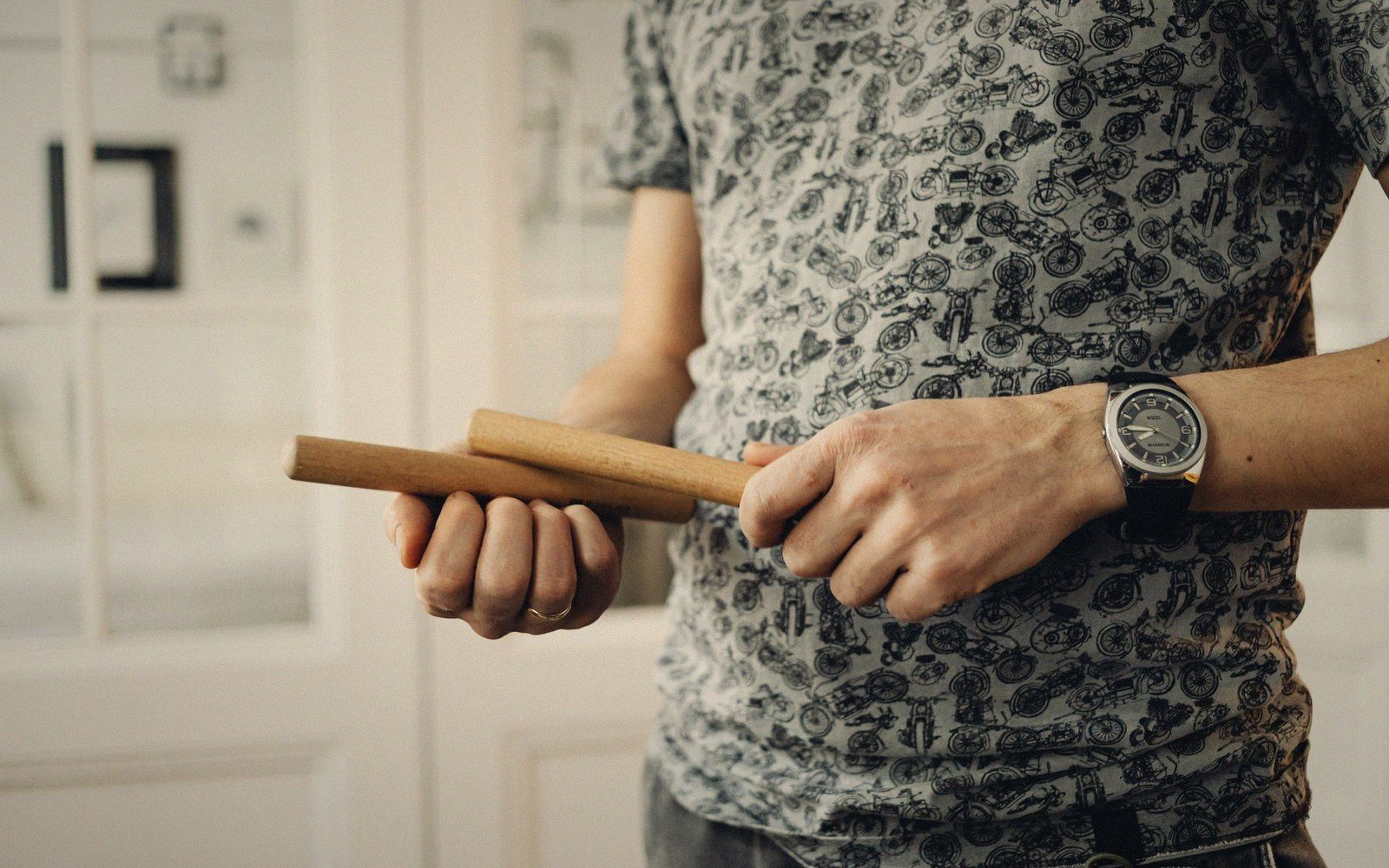
Clave — the word means keystone, and the pattern earns the name — is a two-bar rhythmic cell that originated in West and Central African musical traditions and arrived in Cuba through the transatlantic slave trade. In its most common form, the son clave, it distributes five strokes unevenly across two bars: three in the first, two in the second. Count it against a steady pulse and the strokes fall on beats one, the "and" of two, four (in the first bar), then two and three of the second. The three-side feels like it leans forward; the two-side resolves. That tension and release is not decoration — it is the structural logic underneath practically every Afro-Cuban and Afro-Caribbean rhythm that descended from that tradition.
Electronic producers did not consciously preserve this. Most of them never sat down with a musicologist. What happened is more interesting: they learned rhythmic intuition from cumbia, salsa, and champeta records that were already carrying the pattern invisibly, then reproduced it in their kick-snare-hi-hat programming because it sounded right. The cell survived because it is genuinely load-bearing.
Where to Listen
Take a canonical cumbia digital track built around a four-on-the-floor kick and a sharp snare on the two and four. On the surface it sounds like a grid. But listen to where the low-mid percussion hit — the güiro ghost, the synthesised woodblock, the muffled rimshot — lands against that grid. In track after track from the Buenos Aires scene of the mid-2000s onward, those accents cluster on the three-side clave positions in bar one and drop back in bar two. The producers were not writing clave. They were hearing it.
The pattern appears in its rumba variant — where the third stroke of the three-side moves a sixteenth-note later, giving the whole cell a slightly more suspended feel — in much of the funk carioca production that came out of Rio in the same period. Funk carioca did not happen by accident; its percussive programming carries unmistakable three-two weight even inside the relentless 130 BPM grid. The MPC patterns that defined the sound in its formative years were built by practitioners who grew up around samba bateria, which is itself clave-adjacent in its feel. The machine encoded what the ear already knew.
In reggaeton and dembow, the relationship is even more compressed. The dembow cell — the syncopated kick-snare figure that drives the genre — is essentially a stripped two-bar clave reduced to its barest outline. The three-side and two-side relationship persists in the placement of the secondary snare hit. Change where that hit falls by a single sixteenth and the track no longer feels like reggaeton; it feels broken. That is clave functioning as a tolerance limit, not a decoration.
How to Hear It Without Notation
You do not need to read music to locate this pattern. Try the following. Pick any cumbia, baile funk, or reggaeton track you know well. Instead of following the kick, follow whatever percussion element does not line up neatly with the one-two-three-four pulse — the rimshot that arrives slightly early, the synthesised conga that seems to anticipate beat three. Tap those strokes on a surface through two full bars. Then tap them again. You will find the pattern grouping as three-then-two, or in some tracks as two-then-three, which is the clave inverted — what musicians call playing it in the two-three direction. Both directions carry the same structural logic; the resolution just arrives from the other side.
This is also why tempo changes in these genres feel qualitatively different from tempo changes in music with a purely symmetrical grid. Taking twelve BPM off a cumbia does not simply make it slower — it stretches the tension interval inside the clave cell, giving the three-side more time to suspend before the two-side closes. The physics of the pattern is tempo-dependent in a way that a simple four-on-the-floor kick pattern is not.
The Pattern Under Everything
The clave is not a folk memory or an aesthetic nod to roots. It is an active organising principle in the rhythm programming of producers who may never have named it. Its survival through the move from acoustic percussion to TR-808 to DAW grid is not nostalgia — it is evidence that the cell solved a genuine structural problem. Rhythm needs internal tension. Five uneven strokes across two bars create that tension with an efficiency no symmetrical grid can match. Digital production did not replace that logic. It just gave it a new set of clothes and turned it up.
Related on the spine
Filed in Patterns. Every piece on this site is filed by the tempo it sits at rather than by genre or city — browse the whole spine.